
Fashion Trends Rooted in Chinese Identity
- Date:
- Views:300
- Source:The Silk Road Echo
In recent years, global fashion has taken a bold turn—straight back to cultural roots. And one of the most electrifying movements? Chinese identity redefining style. From Shanghai runways to Parisian boutiques, designers are weaving heritage into haute couture, blending ancient symbolism with streetwear swagger. This isn’t just fashion—it’s a cultural revival stitched into every seam.
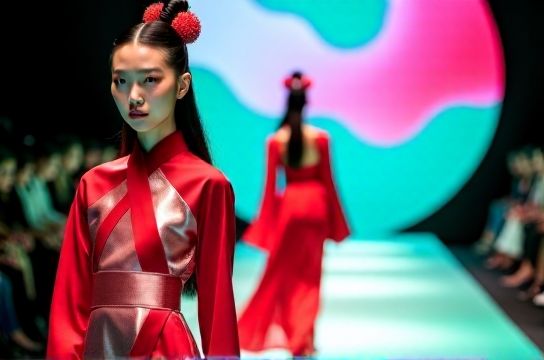
Take a look at Li-Ning, the athletic brand that dropped jaws at 2018 New York Fashion Week. By fusing Tang Dynasty silhouettes with urban sneaker culture, they sparked a 'Guochao' (国潮) wave—literally meaning 'national trend'. Sales skyrocketed by over 200% in two years, proving that pride wears well.
But it’s not just about logos or lion dances on tees. Today’s Chinese-inspired fashion digs deeper: think hanfu collars reimagined on trench coats, silk embroidery gracing denim jackets, or calligraphy prints dancing across minimalist dresses. It’s a dialogue between past and present, where tradition doesn’t whisper—it speaks in bold patterns and confident cuts.
The Rise of Homegrown Icons
Brands like SHUSHU/TONG, Ms MIN, and Pronounce are leading the charge. They’re not copying Western trends; they’re rewriting them. Take Ms MIN: their 2023 collection used traditional yunjin brocade, once reserved for emperors, in sleek modern blazers. The result? A 45% increase in international orders.
And let’s talk numbers—because fashion loves data:
| Brand | Founded | Global Revenue Growth (2020–2023) | Signature Style |
|---|---|---|---|
| Li-Ning | 1990 | +210% | Sportswear x Han Dynasty motifs |
| SHUSHU/TONG | 2015 | +180% | Feminine silhouettes with Qing-era lace |
| Ms MIN | 2010 | +135% | Luxury minimalism + imperial textiles |
This isn’t a flash-in-the-pan trend. According to McKinsey, 68% of Chinese consumers now prefer brands that reflect local culture—up from just 39% in 2017. That’s a seismic shift. Young shoppers aren’t just buying clothes—they’re investing in identity.
Why It Works: Authenticity Meets Attitude
The magic lies in balance. These brands don’t wear their heritage like a museum exhibit. They remix it. A qipao neckline on a leather jacket? Yes. Bamboo-dyed fabrics in unisex streetwear? Absolutely. It’s fashion with a story—one that says, 'I know where I come from, and I’m not hiding it.'
Social media fuels this fire. On Xiaohongshu (China’s answer to Instagram), hashtags like #HanfuStreetStyle and #GuochaoFashion rack up billions of views. TikTok trends show teens twirling in flowing robes before cutting to sneakers and crop tops. It’s playful, proud, and perfectly personal.
How to Wear It Without Trying Too Hard
You don’t need a full hanfu set to join the movement. Start small:
- Swap your watch strap for one with knotwork inspired by Chinese auspicious knots.
- Pair a modern dress with jade earrings—symbolizing protection and grace.
- Add a bomber jacket embroidered with plum blossoms, a nod to resilience.
The key? Intention. Choose pieces that resonate, not just decorate. When you wear culture, it should feel like truth—not tourism.
So whether you're strolling through Beijing’s 798 Art Zone or browsing online drops at midnight, remember: fashion rooted in Chinese identity isn’t about going back. It’s about moving forward—with honor, history, and a whole lot of style.