
Mental Health Conversations in China Today
- Date:
- Views:291
- Source:The Silk Road Echo
In recent years, mental health in China has shifted from a hushed topic to a growing public conversation. Once stigmatized and swept under the rug, discussions around anxiety, depression, and emotional well-being are now gaining momentum—especially among younger generations.
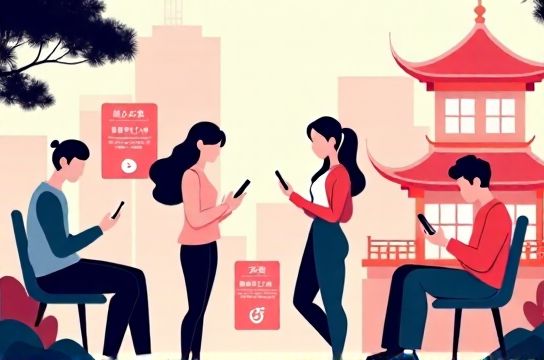
According to the World Health Organization (WHO), over 95 million people in China live with depression, and around 41 million struggle with anxiety disorders. Yet, for decades, mental illness was often misunderstood as a sign of personal weakness or poor upbringing. That mindset is slowly changing, thanks to urbanization, rising education levels, and social media.
Young adults in cities like Beijing, Shanghai, and Shenzhen are leading the charge. A 2023 survey by Peking University found that 73% of respondents aged 18–30 believe mental health is just as important as physical health—up from only 45% in 2015. This shift isn’t just talk: more people are seeking help, downloading therapy apps, and openly sharing their struggles online.
The Digital Lifeline: Apps and Online Support
With only about 2.5 psychiatrists per 100,000 people (compared to 12+ in the U.S.), access to care remains limited. But tech is bridging the gap. Platforms like KnowYourself, Simple Practice, and WeChat-based counseling services have exploded in popularity. In 2023 alone, mental health app downloads in China surged by 67%.
| Mental Health Indicator | China (Estimate) | Global Average |
|---|---|---|
| Depression Rate | 6.9% | 7.1% |
| Anxiety Rate | 4.0% | 4.4% |
| Psychiatrists per 100k | 2.5 | 8.3 |
| Youth Seeking Help (%) | ~38% | ~52% |
While numbers show progress, challenges persist. Many older Chinese still view therapy as unnecessary or shameful. In rural areas, awareness is even lower. And despite increasing demand, trained professionals remain scarce. The government has responded by launching pilot programs in schools and workplaces, pushing for early intervention and psychological education.
Social Pressures Fueling the Crisis
Let’s be real—modern life in China is intense. From the gaokao exam pressure to the 996 work culture (9 a.m. to 9 p.m., 6 days a week), stress is baked into daily life. A 2022 study in The Lancet revealed that nearly 40% of white-collar workers in major cities reported symptoms of burnout.
And it’s not just work. The term neijuan (内卷), meaning ‘involution’ or cutthroat competition, went viral during the pandemic. It captures the feeling of running harder just to stay in place. Meanwhile, tang ping (躺平), or ‘lying flat,’ emerged as a cultural pushback—a rejection of relentless hustle in favor of mental peace.
What’s Next?
The road ahead is complex but hopeful. Public campaigns like World Mental Health Day events in Shanghai parks and university-led wellness weeks are normalizing conversations. Celebrities like singer Joker Xue speaking out about anxiety have also helped reduce stigma.
Experts agree: integrating mental health into primary care, expanding teletherapy, and training more counselors are critical steps. As one Beijing-based therapist put it, “We’re not curing minds—we’re rebuilding a culture that finally dares to feel.”