
Tourism Trends That Reveal Deeper Chinese Society Insights
- Date:
- Views:229
- Source:The Silk Road Echo
If you think tourism in China is just about climbing the Great Wall or sipping tea in Hangzhou, think again. Behind the scenic selfies and bullet train check-ins lies a cultural pulse — one that reveals how Chinese society is evolving faster than a high-speed rail. From rural homestays to digital nomad hubs, travel trends here aren’t just about where people go, but who they are becoming.
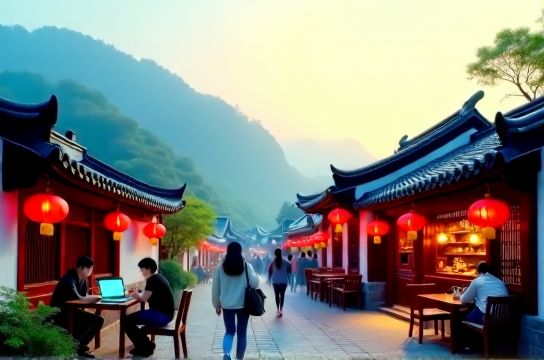
The Rise of ‘Revenge Travel’ and Emotional Spending
Post-pandemic, China saw a massive surge in what locals call fuchou lüyou (revenge travel). In 2023 alone, domestic tourism hit 4.8 billion trips, up 88% from the previous year (source: Ministry of Culture and Tourism). But it’s not just volume — it’s intent. Travelers aren’t ticking boxes; they’re chasing emotional relief, self-discovery, and even social status.
Young professionals, especially Gen Z, are trading luxury brands for unique experiences. A weekend in a bamboo forest eco-lodge or a Daoist meditation retreat signals deeper values: balance, authenticity, and escape from urban burnout.
Rural Revival: When the Countryside Becomes Cool
Gone are the days when village life meant backwardness. Now, rural tourism is booming, driven by nostalgia and national policy. Platforms like Xiaohongshu (China’s Instagram) are flooded with posts from millennials lounging in renovated farmhouses in Yunnan or learning pottery in Jingdezhen.
The government’s Rural Revitalization Strategy has poured billions into infrastructure, turning forgotten villages into boutique destinations. The result? Rural tourism revenue reached 1.3 trillion RMB in 2023, supporting over 50 million jobs.
| Year | Domestic Tourists (Billion) | Rural Tourism Revenue (Trillion RMB) | Overseas Visitors (Million) |
|---|---|---|---|
| 2021 | 3.2 | 0.9 | 26 |
| 2022 | 2.5 | 0.7 | 18 |
| 2023 | 4.8 | 1.3 | 43 |
Digital Nomads & the New Work-Travel Blend
Cities like Chengdu, Xiamen, and Yangshuo are quietly becoming remote work havens. Co-living spaces with high-speed internet, coworking cafes, and visa-friendly policies attract both Chinese freelancers and foreign digital nomads.
In Sanya,海南 (Hainan), the government even launched a ‘Smart Island’ initiative, offering tax breaks and 5G-enabled zones to tech-savvy travelers. It’s no longer just ‘working from home’ — it’s working from anywhere, as long as there’s boba tea and Wi-Fi.
Cultural Confidence on the Move
Travel is now a stage for expressing guochao (national trend) — pride in Chinese heritage. Hanfu (traditional clothing) rentals at historical sites have surged by 150% since 2022. Cities like Xi’an and Luoyang host immersive night tours where visitors walk through light projections of Tang Dynasty poetry.
This isn’t just tourism; it’s identity performance. As one traveler put it: “I’m not just visiting history — I’m living it.”
What This Means for the Future
China’s travel boom reflects deeper societal shifts: a hunger for meaning, a redefinition of success, and a growing middle class with time and money to spend. As sustainability and wellness rise, expect more eco-trails, mental health retreats, and AI-powered travel assistants.
Tourism here isn’t just an industry — it’s a mirror. And what we see is a society rediscovering itself, one journey at a time.