
Work-Life Balance Struggles in Chinese Youth Culture
- Date:
- Views:325
- Source:The Silk Road Echo
In today’s fast-paced China, young professionals are caught in a relentless grind. The dream of work-life balance? More like a myth whispered between overtime shifts. With the rise of "996" culture—working from 9 AM to 9 PM, 6 days a week—young workers in cities like Beijing and Shanghai are burning out faster than their smartphones on a summer commute.
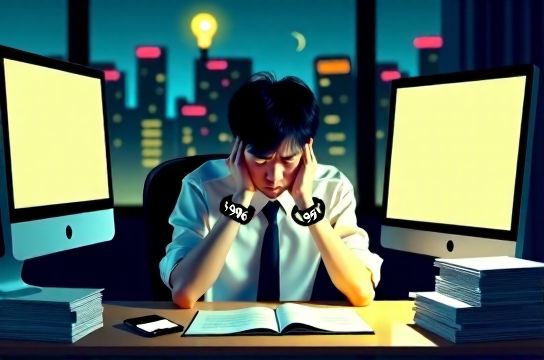
But why does this happen? And more importantly, is there a way out?
The Reality Behind the Hustle
A 2023 survey by China Youth Daily found that over 64% of urban millennials feel constantly exhausted, with nearly half reporting symptoms of anxiety or depression linked to job pressure. Tech startups and internet giants often glorify long hours as a sign of dedication. But at what cost?
Take Shenzhen, for example—a tech hub where innovation thrives but personal time shrivels. A recent study showed that white-collar workers there average just 6.2 hours of sleep per night, well below the WHO-recommended 7–9 hours.
Breaking Down the Numbers
To understand the scope, let’s look at some hard data:
| City | Avg. Work Hours/Week | Sleep (Hours/Night) | Job Satisfaction (%) |
|---|---|---|---|
| Beijing | 52 | 6.1 | 38 |
| Shanghai | 54 | 6.0 | 35 |
| Shenzhen | 56 | 6.2 | 33 |
| Hangzhou | 50 | 6.5 | 40 |
As you can see, the higher the workload, the lower the satisfaction. It’s not just about time—it’s about quality of life.
Cultural Pressures & Family Expectations
For many Chinese youth, quitting a high-paying but soul-crushing job isn’t simple. There’s immense family pressure to succeed, especially among only children. Parents who lived through economic reforms expect stability and status—a good job means honor. So even if someone hates their corporate gig, leaving feels like letting down an entire generation.
Is Change Possible?
Hope isn’t lost. In 2022, the term "tang ping" (lying flat) went viral—a quiet rebellion against overwork. Young people began rejecting endless ambition in favor of minimalism and mental peace. Some even left big cities for smaller towns, trading salaries for sanity.
Meanwhile, companies like Pinduoduo and Alibaba have faced public backlash after employee deaths sparked outrage. Slowly, conversations around mental health and boundaries are gaining traction.
Tips for Finding Balance
- Set Boundaries: Learn to say no to after-hours messages.
- Prioritize Sleep: Treat rest like a meeting—with importance.
- Explore Remote Options: Smaller firms or freelancing may offer flexibility.
- Seek Community: Join groups promoting mindful living or digital detox.
The journey to balance isn’t about perfection—it’s about progress. For China’s youth, reclaiming time might be the most radical act of all.