
How Social Media Drives Social Phenomena China Today
- Date:
- Views:244
- Source:The Silk Road Echo
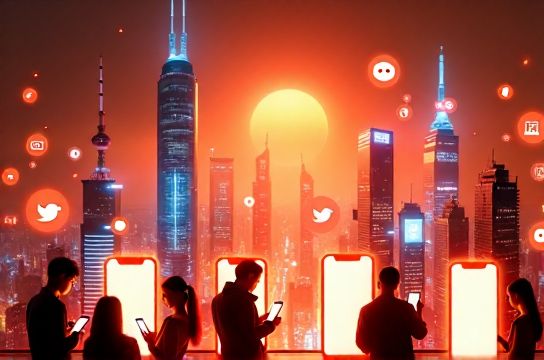
In today’s hyper-connected China, social media isn’t just for sharing selfies or cat videos—it’s a full-blown cultural engine. Platforms like WeChat, Little Red Book (Xiaohongshu), and Douyin (China’s TikTok) don’t just reflect trends—they create them. From viral dance challenges to nationwide product crazes, social media has become the pulse of modern Chinese society.
Take the rise of ‘guochao’ (国潮), or ‘national trend’—a movement where young consumers proudly embrace homegrown brands. According to a 2023 report by McKinsey China, over 75% of Gen Z shoppers prefer domestic labels like Li-Ning or Perfect Diary, largely due to their strong presence on social platforms. These brands don’t rely on traditional ads; they thrive on influencer collabs, user-generated content, and emotional storytelling.
The Algorithm That Shapes Reality
What makes Chinese social media so powerful? It’s the algorithm. Douyin’s recommendation engine, for example, analyzes user behavior down to the millisecond—how long you watch a video, when you pause, even your facial expressions via front camera (with permission). This creates a feedback loop: the more you engage, the more tailored your feed becomes.
But it’s not just entertainment. Social media fuels real-world movements. In 2022, a single post on Weibo about a restaurant chain’s unfair labor practices sparked a nationwide boycott—proving that public opinion can shift overnight.
Data That Speaks Volumes
Let’s break it down with some hard numbers:
| Platform | Monthly Active Users (2023) | Primary User Age Group | Key Feature |
|---|---|---|---|
| 1.3 billion | 25–40 | All-in-one messaging, payments, mini-programs | |
| Douyin | 780 million | 18–30 | Short-form video, live commerce |
| Xiaohongshu (Little Red Book) | 260 million | 18–35 | Lifestyle reviews, influencer marketing |
| 580 million | 20–35 | Microblogging, public discourse |
As you can see, these platforms aren’t niche—they’re mainstream. And they’re not just passive tools; they actively shape consumer behavior, political awareness, and even personal identity.
Social Commerce: Where Clicks Turn into Cash
One of the most fascinating phenomena is live streaming commerce. On Double 11 (China’s Singles’ Day), top hosts like Viya and Li Jiaqi sold over $1 billion in products—in a single day. Even though Viya was later fined for tax evasion, the model remains wildly popular. In 2023, live e-commerce sales hit $489 billion in China, according to iiMedia Research.
Why does it work? Because trust is built through personality. Viewers don’t just buy a lipstick—they buy Li Jiaqi’s enthusiasm, his late-night energy, his ‘this-shade-will-change-your-life’ pitch. It’s entertainment + shopping + community, all rolled into one.
The Dark Side: Echo Chambers and Censorship
Of course, it’s not all rosy. The same algorithms that connect people can also isolate them. Filter bubbles are real. A user interested in luxury fashion might never see content about rural life, widening social divides.
And let’s not forget censorship. While social media empowers voices, it’s also tightly monitored. Sensitive topics are quickly removed, and influencers self-censor to avoid trouble. Still, users find creative ways to speak up—using memes, metaphors, or coded language.
Final Thoughts
Social media in China is more than tech—it’s a mirror of society, reflecting dreams, frustrations, and aspirations. It drives fashion, shapes politics, and redefines what it means to be ‘popular.’ Whether you’re a marketer, a sociologist, or just curious, understanding this ecosystem is key to grasping modern China.
So next time you scroll past a viral Douyin dance or a heartfelt Xiaohongshu review, remember: you’re not just watching a trend. You’re witnessing history in motion.