
Beyond Headlines Understanding Chinese Society Deeply
- Date:
- Views:261
- Source:The Silk Road Echo
When you think of China, what comes to mind? Skyscrapers in Shanghai? The Great Wall? Or maybe viral TikTok trends from Chengdu? While the headlines love to focus on politics or economic growth stats, there’s a deeper, more vibrant story unfolding — one rooted in everyday life, cultural shifts, and evolving values. Let’s go beyond the noise and explore what Chinese society *really* looks like today.
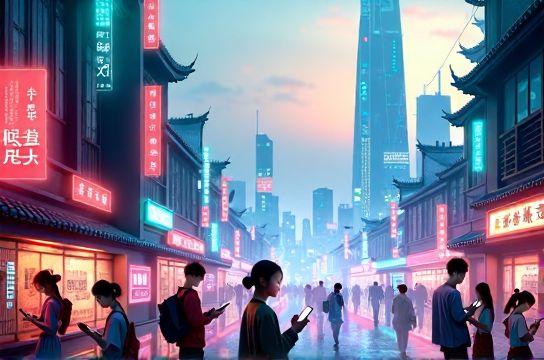
The Pulse of Modern China: More Than Just Numbers
China isn’t just the world’s second-largest economy — it’s a nation in motion. Over 60% of its population now lives in cities, thanks to decades of rapid urbanization. But this isn’t just about moving from farms to flats; it’s about changing mindsets. Young professionals in Beijing or Shenzhen aren’t just chasing paychecks — they’re redefining success, balancing tradition with ambition.
Take the so-called “lying flat” (躺平) movement. It sounds lazy, right? But it’s actually a quiet rebellion against the grind culture. After years of intense competition — from the gaokao (college entrance exam) to 996 work schedules (9 AM to 9 PM, 6 days a week), many young Chinese are saying: 'Enough.' They’re choosing simpler lives, prioritizing mental health over material gains.
Generational Shifts: From Collectivism to Individualism?
Older generations grew up with strong collectivist values — family first, harmony above all. But Gen Z? They’re more individualistic, digitally native, and socially aware. A 2023 survey by Peking University found that over 70% of urban youth prioritize personal fulfillment over societal expectations.
Still, it’s not a full break from tradition. Filial piety remains strong — many millennials send money home monthly, and 85% believe caring for aging parents is a moral duty. It’s a blend: global influences meet deep-rooted values.
Social Trends & Daily Life: By the Numbers
To really get it, let’s look at some data:
| Indicator | Value | Source/Year |
|---|---|---|
| Urban Population | 64.7% | NBS, 2023 |
| Internet Penetration | 76.4% | CNNIC, 2023 |
| Average Age at First Marriage | 28.7 (men), 26.9 (women) | Ministry of Civil Affairs, 2022 |
| Monthly Rent (Shanghai, 1BR) | ~¥6,500 ($900) | Zhuge Data, 2023 |
| Gen Z Spending on Experiences | 68% | Mercer, 2023 |
Notice anything? People are staying single longer, spending more on travel and hobbies, and going digital for everything — from dating apps like Momo to mobile payments via WeChat. Cash? Almost extinct.
Culture Code: Tradition Meets Trend
You’ll see ancient temples next to Apple Stores. Lunar New Year red packets now come as WeChat ‘digital hongbao.’ Hanfu (traditional clothing) is trendy again among teens. This isn’t nostalgia — it’s identity. National pride is rising, especially after China’s pandemic response and tech rise (hello, Huawei and BYD).
Yet, censorship and social credit myths still cloud global perception. Truth is, most people navigate restrictions with pragmatism, not protest. They use workarounds, stay offline for sensitive topics, and focus on what they can control: career, family, self-improvement.
Final Thoughts: See China Through Its People
The real China isn’t in state media or Western think tanks — it’s in late-night hotpot chats, in livestream shopping sprees, in parents worrying about education pressure. It’s complex, contradictory, and constantly evolving.
So next time you hear a headline, ask: What’s beneath the surface? Because understanding Chinese society means looking beyond the obvious — into the hearts, habits, and hopes of 1.4 billion people shaping their future, one WeChat moment at a time.