
Urban Dreams: Migration and Identity in Modern China
- Date:
- Views:349
- Source:The Silk Road Echo
Ever wondered what it’s like to leave everything behind—your hometown, your family, even your dialect—and chase a bigger dream in the city? In modern China, millions are doing exactly that. From rural villages to skyscraping metropolises like Beijing, Shanghai, and Shenzhen, the great urban migration isn’t just about jobs—it’s about identity, survival, and redefining what it means to "make it" in 21st-century China.
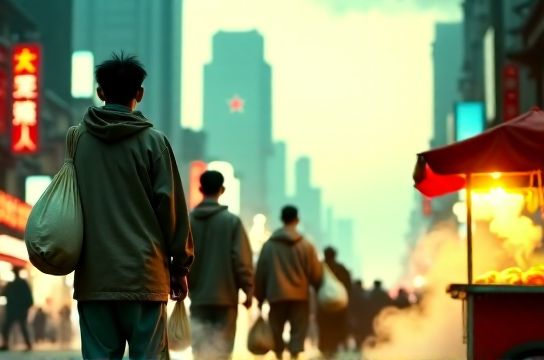
Every year, over 290 million people—yes, you read that right—move from the countryside to Chinese cities. They’re called the *nongmingong*, or 'rural migrant workers,' and they build our buildings, deliver our food, and keep the urban machine running. But here’s the real tea: despite their massive contribution, many still live on the margins—without full access to healthcare, education for their kids, or the hukou (household registration) that ties social benefits to a specific city.
So why do they come? Simple: opportunity. A farmer might earn $200 a month back home. In Guangzhou? That same person can make triple—or more—working in construction or at a factory. But money isn’t the only pull. Cities represent freedom, anonymity, and a chance to rewrite your story. As one migrant worker told me, "Back home, everyone knows who you are—and who your grandpa was. Here, I can be whoever I want."
But let’s keep it real: the dream isn’t always glamorous. Many live in cramped dorms or informal settlements, sending most of their paycheck back home. Their kids often can’t enroll in local schools, forcing tough choices—leave children behind with grandparents, or pay sky-high fees at unlicensed private schools.
And then there’s identity. Imagine speaking with a thick Sichuan accent in a Shanghai office. Or being judged for wearing clothes from a village market. Urban elites often look down on migrants, labeling them as 'backward' or 'unrefined.' This invisible class divide shapes how migrants see themselves—and how they fight to belong.
Yet, something beautiful is happening. Migrant communities are creating their own culture—blending hometown traditions with city life. Think roadside noodle stands serving hometown recipes, or WeChat groups organizing dance crews in public parks. Some are even starting small businesses, using platforms like Pinduoduo and Douyin to sell goods back to their villages.
In short, the urban dream in China isn’t just about skyscrapers and salaries. It’s a complex mix of hope, hustle, and heartbreak. And as cities grow, the question isn’t just how to house these dreamers—but how to truly include them.
The future of China isn’t just written in tech hubs and policy rooms. It’s walking through train stations with a red suitcase, heading into the city lights.