
The Gig Economy Boom in China: Freedom or Exploitation for Youth?
- Date:
- Views:283
- Source:The Silk Road Echo
Let’s be real—working 9-to-5 in a cubicle just isn’t the dream for a lot of young people in China these days. Enter the gig economy: food delivery, ride-hailing, freelance design, live-streaming sales—you name it. It’s blowing up, especially among Gen Z and millennials who crave flexibility, side hustles, and a break from the traditional corporate grind.
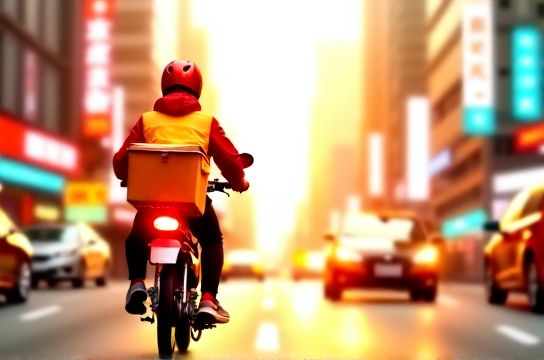
But here’s the big question: is this new wave of gig work actually setting young workers free, or is it just a slick cover for exploitation?
On one hand, the freedom is legit. Imagine rolling out of bed at 10 a.m., grabbing your scooter, and delivering bubble tea to thirsty office workers—all on your own schedule. No boss breathing down your neck, no dress code, no endless meetings about 'synergy.' For many Chinese youth drowning in academic pressure and sky-high living costs, gig jobs offer a breath of fresh air (and much-needed cash).
Platforms like Meituan, Elema, and Didi have turned millions into micro-entrepreneurs overnight. And let’s not forget the rise of livestreamers selling everything from skincare to sneakers to grandma’s homemade pickles—some are even pulling in six-figure incomes!
Sounds perfect, right? Not so fast.
Behind the flashy earnings claims and 'be your own boss' slogans, there’s a darker side. Most gig workers don’t get health insurance, paid leave, or retirement plans. One wrong move—a traffic accident, a bad review—and their income tanks. Algorithms push them to work longer hours for less pay, with little transparency or recourse.
And while some see gig work as a temporary hustle, for many young people, it’s becoming the only option. With fierce competition in the job market and shrinking full-time opportunities, 'flexibility' starts to feel less like choice and more like survival.
So what’s the verdict? The gig economy in China is a double-edged sword. It empowers youth with independence and income streams, but without proper labor protections, it risks turning dreams of freedom into cycles of burnout and insecurity.
The real challenge? Building a system where flexibility doesn’t mean fragility. Whether that happens depends on regulators, companies, and how loudly workers demand change.
One thing’s for sure: the gig life isn’t going anywhere. But if we want it to be sustainable—not just for apps, but for people—it’s time to rethink what 'freedom' really means.