
and Hope: Urban Pressures in Contemporary Chinese Society
- Date:
- Views:248
- Source:The Silk Road Echo
Let’s be real—city life in China today is a wild mix of hustle, pressure, and quiet hope. If you’ve ever stood on a packed subway in Beijing at 8 a.m., or watched a delivery rider speed past in the rain just to make one more order on time, you know what we’re talking about. Urban China isn’t just growing—it’s *racing*. And while skyscrapers rise and tech startups boom, millions of ordinary people are trying to keep up, paycheck to paycheck, dream to dream.
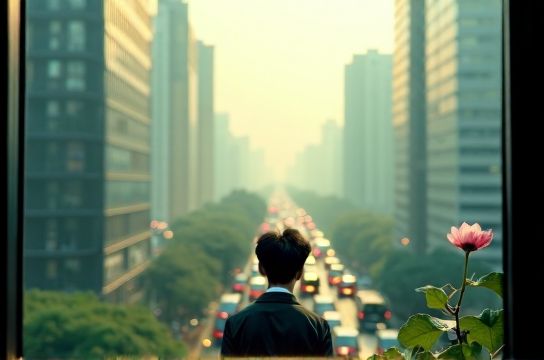
So what’s really going on beneath the surface of this fast-moving urban machine? It’s not just about money or jobs—it’s about identity, belonging, and the search for something meaningful in a world that never slows down.
Take housing, for example. In cities like Shanghai or Shenzhen, buying an apartment isn’t just expensive—it feels like winning the lottery. Young professionals work overtime, rely on family support, and still wonder if they’ll ever own a place of their own. Renting? That’s no easy fix either, with rising costs pushing people further from city centers—and further from opportunities.
Then there’s the job grind. The so-called ‘996’ culture (9 a.m. to 9 p.m., 6 days a week) may have made headlines, but its shadow still lingers. Burnout is real. People are working harder than ever, yet many feel stuck—like they’re running on a treadmill that keeps speeding up.
But here’s the twist: amid all this stress, there’s also *hope*. Real, gritty, everyday hope. You see it in young artists turning old factories into galleries. In food stall owners who post their stories on Douyin and suddenly go viral. In communities organizing rooftop gardens or late-night book clubs. People aren’t just surviving—they’re creating pockets of joy, connection, and resistance.
The government’s pushing urban development hard—smart cities, green spaces, better public transit. But real change doesn’t just come from top-down plans. It comes from people refusing to give up. Whether it’s a migrant worker sending money home or a college grad starting a small business, these small acts add up.
And let’s not forget technology. Apps like WeChat and Alipay don’t just pay bills—they help people manage lives under pressure. Digital platforms give voice to those who once had none, letting them share struggles, find jobs, or just vent after a long day.
So yeah, urban life in China is intense. But it’s not all doom and gloom. It’s complex. Messy. Human. People are stressed, sure—but they’re also dreaming, adapting, and finding ways to thrive.
In the end, the story of Chinese cities isn’t just about economic growth. It’s about resilience. It’s about how, even when the rent’s due and the commute’s brutal, people still find reasons to smile, to create, to hope.