
The Digital Face of Chinese Social Movements: Hashtag Activism with Limits
- Date:
- Views:318
- Source:The Silk Road Echo
You’ve seen it happen around the world—hashtags trending, people rallying online, and movements gaining real-world momentum. But in China, digital activism takes a very different shape. While social media platforms like Weibo and Douyin (China’s TikTok) give users a voice, that voice comes with invisible boundaries. So, what does hashtag activism really look like in China? And how far can it go?
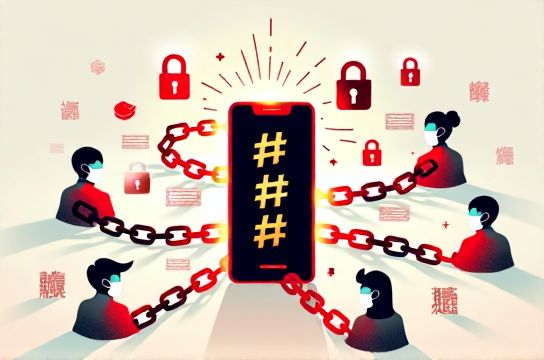
In recent years, we’ve witnessed moments when Chinese netizens used clever wording, emojis, and trending topics to spotlight social issues. Remember the #MeToo wave that quietly spread across Weibo in 2018? Or the public outcry over wrongful convictions, where users flooded comment sections with coded language to avoid censorship? These weren’t full-blown revolutions, but they showed something powerful: even in a tightly controlled digital space, people find ways to speak up.
The truth is, hashtag activism in China isn’t about overthrowing systems—it’s more like pushing the edges of what’s acceptable. Users often rely on satire, memes, and indirect references to discuss sensitive topics. For example, instead of directly criticizing authorities, netizens might use historical metaphors or fictional characters to make their point. It’s a game of cat and mouse with censors, and the community plays it skillfully.
But let’s be real—there are hard limits. Posts disappear. Accounts get suspended. And some hashtags never make it past the algorithm. The government maintains tight control over online discourse, especially when it touches on politics, human rights, or national unity. So while you might see viral campaigns about mental health, gender equality, or consumer rights, anything that threatens stability gets shut down fast.
Still, don’t underestimate the impact. Online pressure has led to real changes—like improved labor protections after factory worker protests went viral, or environmental policies adjusted following public outrage over pollution. The state sometimes responds—not because it fears rebellion, but because it values social harmony and wants to maintain trust in its governance.
What makes Chinese digital activism unique is this delicate balance: citizens express themselves within approved boundaries, and the system absorbs feedback without losing control. It’s not freedom in the Western sense, but it’s not silence either. It’s a form of participation shaped by both resistance and restraint.
So, can a hashtag change China? Not overnight. But it can spark conversation, expose injustice, and slowly shift public awareness. In a country where open dissent is risky, these small digital acts matter more than they might seem.
As technology evolves and younger, more connected generations come of age, the role of social media in shaping public opinion will only grow. The rules may stay strict, but the conversation—quiet, creative, and persistent—will keep finding a way through.