
Education Pressure and Society in China
- Date:
- Views:373
- Source:The Silk Road Echo
In today’s China, the phrase 'Gaokao changes destiny' isn’t just a slogan—it’s a cultural heartbeat. From kindergarten screening tests to high school all-nighters, Chinese students face relentless academic pressure. But why? And how does this pressure shape society? Let’s dive deep into the engine room of China’s education machine.
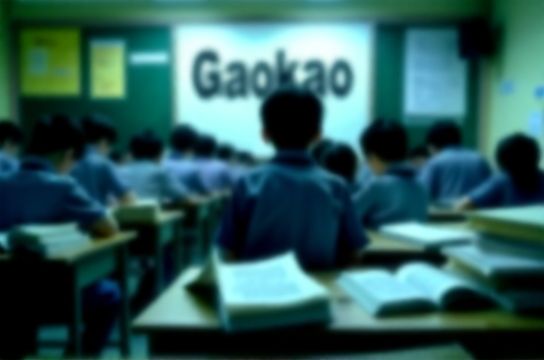
The Weight of Expectation: More Than Just Grades
Family honor, social mobility, economic survival—education in China carries the burden of generations. A 2023 survey by Peking University found that over 78% of urban parents believe their child’s college entrance exam result will determine their lifelong success. That’s not just pressure; that’s emotional gravity.
Students often study 10–12 hours a day during senior high school. Weekend classes? Normal. Sleep under 6 hours? Common. The competition is fierce because the stakes are sky-high. Only about 40% of each age group enters higher education, and elite universities like Tsinghua or Peking University accept less than 1% of applicants.
By the Numbers: Education at a Glance
Let’s break it down with some real data:
| Metric | Statistic | Source |
|---|---|---|
| Annual Gaokao Takers | 12.9 million (2023) | Ministry of Education |
| Top-Tier Uni Acceptance Rate | <1.5% | China Education Online |
| Avg. Study Hours/Day (Grades 10-12) | 10.2 hrs | 2023 Youth Survey Report |
| Parents Spending on Tutoring | ¥25,000/year (avg.) | Caixin Research |
| Youth Stress Level (High) | 67% | National Mental Health Survey |
Social Consequences: What’s the Cost?
Yes, China produces top math and science scorers globally (shoutout to Shanghai’s PISA dominance). But behind those rankings? Burnout, anxiety, and a creativity gap. Many students excel at memorization but struggle with critical thinking—a trade-off critics call 'high scores, low ability' (gāo fēn dī néng).
And let’s talk inequality. Rural students face longer odds. Without access to elite tutors or bilingual schools, they’re racing with weights on their feet. According to UNESCO, only 15% of rural youth enter college, compared to 60% in major cities.
Is Change Coming?
Maybe. In 2021, China launched the 'Double Reduction' policy, banning excessive homework and for-profit tutoring. Sounds great, right? But many families just moved tutoring underground—online, one-on-one, or disguised as 'cultural activities.' The hunger for advantage hasn’t faded.
Still, there’s hope. Some progressive schools now emphasize emotional intelligence and project-based learning. Cities like Hangzhou pilot 'wellness education' programs. And Gen Z? They’re starting to push back, chanting 'lying flat' (tǎnpíng) and questioning the grind.
Final Thoughts
China’s education pressure isn’t just about exams—it’s about identity, family, and survival in a hyper-competitive world. While reform is slow, awareness is rising. The dream isn’t to lower standards, but to balance excellence with well-being.
After all, a nation’s future shouldn’t be measured only by test scores—but by the health, happiness, and humanity of its people.