
Urban Life Challenges in Contemporary China
- Date:
- Views:230
- Source:The Silk Road Echo
Living in a Chinese city? Sounds exciting—skyline views, bullet trains, street food galore. But behind the glittering towers and digital convenience lies a gritty reality: urban life in contemporary China is a high-stakes balancing act. From sky-high housing prices to soul-sucking commutes, let’s break down what it really feels like to survive—and maybe even thrive—in today’s megacities.
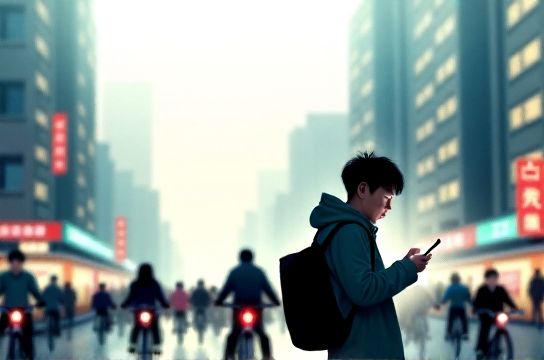
The Rent is Too Damn High
If you’re renting in Beijing or Shanghai, prepare to give up half your paycheck. Seriously. According to a 2023 report by China Real Estate Information Center, average monthly rent for a one-bedroom apartment near downtown areas hits around ¥8,500 (~$1,180). That’s more than the average disposable income for many young workers outside first-tier cities.
| City | Avg. Monthly Rent (1BR) | Avg. Salary (Monthly) | Rent-to-Income Ratio |
|---|---|---|---|
| Shanghai | ¥8,700 | ¥12,500 | 69.6% |
| Beijing | ¥8,500 | ¥12,800 | 66.4% |
| Shenzhen | ¥8,300 | ¥13,200 | 62.9% |
| Chengdu | ¥3,200 | ¥8,600 | 37.2% |
Yikes. In tier-1 cities, over 60% of income going to rent? That’s not living—that’s surviving with Wi-Fi.
Commute Like a Sardine
Want personal space? Take a number. During rush hour, Shanghai Metro Line 2 hits 130% capacity. Yes, that means standing so close you can smell your neighbor’s breakfast baozi. The average commute in Beijing clocks in at 52 minutes one way—nearly double that of cities like Berlin or Toronto.
And don’t get me started on "last-mile" logistics. You’ve survived the subway crush, only to find no shared bikes left. Again.
The Hukou Hang-Up
Here’s a plot twist: even if you work in Shanghai, you might not be 'allowed' to fully belong. China’s hukou (household registration) system still limits access to public schools, healthcare, and subsidized housing unless you have local residency. Over 290 million migrant workers live in cities without full rights. That’s like being a tenant who pays rent but isn’t allowed to use the kitchen.
Digital Life: Convenient or Creepy?
On one hand—amazing. Pay for street pancakes with your face. Book a doctor’s appointment in 3 taps. On the other? Your data is everywhere. Facial recognition, social credit scores, app tracking… convenience comes at a privacy cost most Westerners would balk at.
So… Is City Life Worth It?
Depends. If you crave opportunity, 24/7 dim sum, and career momentum—yes. But at what cost? Burnout rates are soaring. A 2022 survey found 67% of urban professionals report chronic stress. Work-life balance? More like work-life blur.
The good news? Second-tier cities like Hangzhou, Chengdu, and Xiamen offer better affordability, growing job markets, and a more human pace—without sacrificing modern perks.
In short: China’s urban dream is dazzling, but it’s not free. Whether you’re a fresh grad or an expat entrepreneur, know the trade-offs. Because in these cities, survival isn’t just about money—it’s about sanity.