
Guochao Wave: How National Pride is Reshaping Youth Identity and Consumption
- Date:
- Views:501
- Source:The Silk Road Echo
You’ve seen it everywhere—Chinese youth rocking Hanfu on city streets, snapping selfies in vintage Li-Ning kicks, or obsessively collecting traditional-style blind boxes. This isn’t just a trend. It’s the Guochao wave, and it’s blowing up big time. Guochao, literally meaning 'national tide,' refers to the rising love for homegrown Chinese brands and cultural pride sweeping through Gen Z and young millennials.
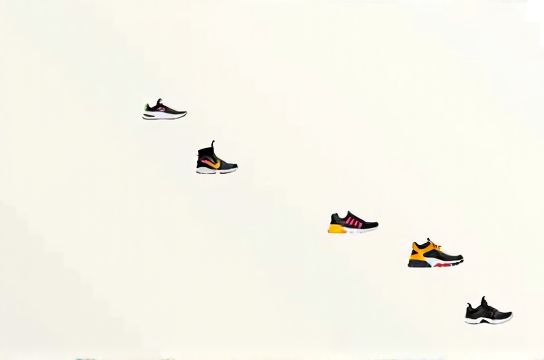
Forget the days when everyone wanted Western labels like Nike or Apple to show off status. Now, showing love for local is the new cool. From fashion to tech, food to cosmetics, Chinese youth are choosing brands that scream 'Made in China' with a modern twist. Think Pechoin skincare going viral on Xiaohongshu, or Warrior sneakers getting a retro-futuristic glow-up and flying off shelves.
So what sparked this shift? A mix of economic confidence, digital nationalism, and social media magic. As China’s global influence grows, so does the younger generation’s sense of pride. They’re not rejecting foreign culture—they’re just no longer obsessed with it. Instead, they’re redefining what it means to be stylish, modern, and authentic—all while embracing their roots.
Social platforms like Douyin and Bilibili play a huge role. One viral video of a dancer in Tang-style dress paired with electronic beats can spark a nationwide trend. Hashtags like #ChinaWithStyle or #GuochaoRising rack up billions of views. Influencers aren’t just promoting products—they’re telling stories about heritage, craftsmanship, and identity.
And brands are responding fast. Anta teams up with Chinese artists for limited drops. Tea brand Chagee uses ancient calligraphy in its store designs. Even smartphone makers like Huawei wrap their launches in narratives of innovation and self-reliance. It’s not just selling a product—it’s selling a feeling of belonging.
This cultural movement goes beyond shopping. It’s shaping how young people see themselves. Wearing a Mao-era-inspired jacket isn’t ironic anymore—it’s intentional. It’s a statement: 'I’m proud of where I come from, and I’m making it my own.'
The Guochao wave isn’t a flash in the pan. It’s a deep shift in identity, driven by pride, creativity, and a desire for authenticity. For marketers, it’s a wake-up call: emotional connection matters more than ever. For the world, it’s a sign that globalization isn’t just Westernization—it’s multipolar, diverse, and increasingly led by local voices.
So whether you're into streetwear, skincare, or smartphone tech, one thing’s clear: China’s youth aren’t just following trends—they’re setting them. And they’re doing it with a red-hot dose of national pride.