
From ‘Sai Guei’ to ‘Xuanyuan’: How Historical References Power Modern Chinese Internet Memes
- Date:
- Views:399
- Source:The Silk Road Echo
Let’s be real—nobody expected ancient Chinese history to go viral. But scroll through Weibo, Douyin, or even Bilibili, and you’ll see emperors, philosophers, and mythical warriors popping up in memes like they’ve got TikTok contracts. From calling someone a 'Sai Guei' (literally 'thousand-year ghost') to flexing your inner 'Xuanyuan' (aka the Yellow Emperor), historical references are now slang with soul.
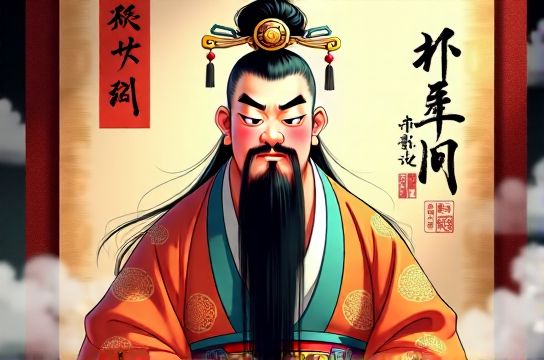
So why are Chinese netizens so obsessed with dragging centuries-old figures into modern jokes? Simple: it’s clever, it’s cheeky, and it hits different when you’re roasting someone using 5,000 years of culture as backup.
Take 'Sai Guei.' Originally a term from folklore for restless spirits, it’s now slang for that one person who won’t leave you alone—like your ex sliding into DMs at 2 a.m. or your boss pinging you on vacation. But instead of just saying 'you’re annoying,' you hit ’em with 'Sai Guei ya!'—spooky, dramatic, and 100% passive-aggressive in the best way.
Then there’s 'Xuanyuan.' Once the legendary founder of Chinese civilization, now he’s shorthand for ultimate power moves. Call yourself 'Xuanyuan Online' when you ace an exam or finally win that work presentation. It’s like saying 'king mode activated'—but with imperial vibes.
These memes aren’t random. They tap into something deeper: cultural pride wrapped in irony. Young people in China aren’t just quoting history—they’re remixing it. Think of it like sampling a classic song in a hip-hop track. The reference gives weight, humor, and a sense of belonging. You’re not just making a joke—you’re joining a conversation that started long before hashtags.
Even politicians and brands get in on it. Remember when a government campaign used animated Confucius to teach public etiquette? Or when a snack brand joked that their spicy noodles were 'so hot, even Qin Shi Huang couldn’t handle them'? History isn’t just for textbooks anymore—it’s content gold.
And let’s not forget the educational side effect. Kids might not open a history book, but they’ll binge a meme series where Wu Zetian runs a corporate empire or Zhuge Liang plays League of Legends. Suddenly, dynasty drama feels relatable.
Of course, it’s not all fun and folklore. Some critics say it trivializes serious heritage. But most netizens argue: we’re not disrespecting history—we’re keeping it alive, one viral post at a time.
So next time you see a meme of Emperor Qianlong dancing to pop music or a roast thread calling corrupt officials 'modern-day eunuchs,' know this: it’s more than humor. It’s identity, satire, and cultural continuity—all packed into a shareable image.
In a fast-moving digital world, maybe the past isn’t dead. Maybe it’s just waiting in the meme queue.