
The Feminization of Anxiety: Gender Pressures in Modern Chinese Society
- Date:
- Views:267
- Source:The Silk Road Echo
In today’s fast-paced China, a quiet crisis is unfolding—one that hits women harder than ever. We’re talking about the feminization of anxiety, a growing trend where women report significantly higher levels of stress, depression, and emotional burnout compared to men. And it’s not just 'bad days'—it’s systemic.
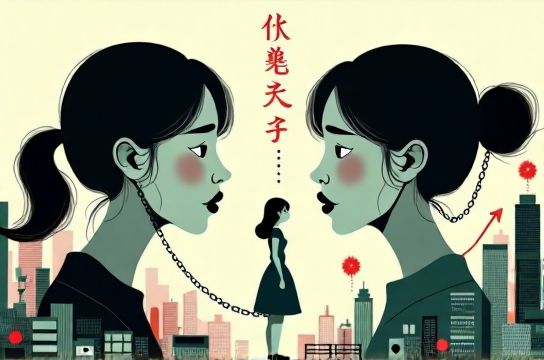
From sky-high expectations at work to traditional family roles that refuse to evolve, modern Chinese women are caught in a cultural crossfire. Let’s break down the real numbers, real stories, and what it all means.
The Data Doesn’t Lie
A 2023 study by the Chinese Mental Health Association revealed that 68% of urban women under 35 experience moderate to severe anxiety—nearly double the rate among men in the same group. Meanwhile, the National Bureau of Statistics shows that while women make up nearly half the workforce, only 11.4% hold senior executive roles.
And here’s the kicker: despite earning less on average, women still shoulder 75% of unpaid domestic labor. That’s like working a full-time job at home after clocking out from a full-time job at the office.
Anxiety by the Numbers: Urban Women vs. Men (Ages 25–35)
| Metric | Women | Men |
|---|---|---|
| Reported Anxiety (Moderate to Severe) | 68% | 36% |
| Work-Life Balance Satisfaction | 29% | 52% |
| Time Spent on Household Chores Weekly | 18.5 hrs | 6.2 hrs |
| Senior Leadership Representation | 11.4% | 88.6% |
The Double Bind: Be Ambitious, But Not Too Ambitious
Modern Chinese women are told: “You can have it all.” But when they chase careers, they’re labeled ‘cold’ or ‘selfish.’ When they prioritize family, they’re seen as ‘unambitious.’ It’s a lose-lose. Social media amplifies this—just scroll through Xiaohongshu or Weibo, and you’ll see endless debates about whether married women should keep their maiden names or if mothers belong in boardrooms.
Meanwhile, marriage pressure remains intense. The average age of first marriage for women in major cities may have risen to 29, but societal judgment kicks in way earlier. One survey found that 43% of women aged 27–30 feel ‘urgent pressure’ to marry—compared to just 18% of men.
So What’s the Way Forward?
Real change starts with visibility. Acknowledging that anxiety isn’t just ‘in her head’ but rooted in structural inequality is key. Companies need flexible policies. Families need to share the load. And society? It needs to stop romanticizing female sacrifice.
More mental health resources, workplace equity, and honest conversations at home could go a long way. Because when we talk about the feminization of anxiety, we’re not just talking about feelings—we’re talking about freedom.