
and the Blurred Line Between Life and Labor
- Date:
- Views:237
- Source:The Silk Road Echo
In today’s fast-paced digital world, the gig economy isn’t just a trend—it’s a lifestyle. From Uber drivers to freelance designers on Fiverr, millions are trading 9-to-5 stability for flexible hours and self-directed work. But here’s the real tea: where does work end and life begin when your phone is always buzzing with the next gig?
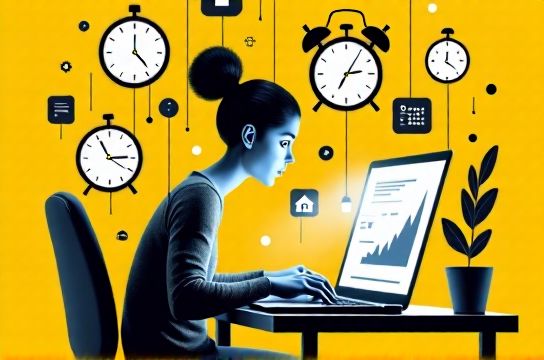
Data from the U.S. Bureau of Labor Statistics (2023) shows that over 59 million Americans—nearly 36% of the workforce—now participate in gig or freelance work. And it’s not slowing down. McKinsey reports that up to 160 million people in North America and Western Europe earn income through independent platforms.
The Flexibility Trap
We love the freedom—working in pajamas, setting our own hours, skipping the commute. But this flexibility often comes at a cost. Without fixed schedules, many gig workers fall into the trap of always being on. A 2022 study by the Journal of Applied Psychology found that gig workers report higher levels of burnout due to blurred boundaries between personal time and labor.
Take Maria, a 32-year-old graphic designer from Austin. She logs in around 50 hours a week across Upwork, Etsy, and Fiverr. “I thought I was escaping the corporate grind,” she says. “But now I’m working evenings, weekends—my laptop is basically my third limb.”
Gig Work by the Numbers
| Metric | Data |
|---|---|
| Global Gig Workers (2023) | ~780 million |
| Average Weekly Hours (Freelancers) | 47 hours |
| % Without Health Benefits | 63% |
| Top Platforms (by Users) | Upwork, Uber, DoorDash, Fiverr |
See that 63% without health benefits? That’s the invisible price tag. No paid leave, no retirement plans—just hustle and hope.
Redefining Work-Life Balance
So how do we reclaim our time? Experts suggest time-blocking, using apps like Toggl or Clockify to track hours, and setting digital boundaries—like turning off platform notifications after 7 PM. Some freelancers even use separate devices for work to create psychological separation.
The truth is, the gig economy won’t slow down. But we can redefine what it means to be ‘free.’ Real freedom isn’t just choosing when to work—it’s also choosing when to stop.