
Urban Dreams: The Identity Struggle of China’s Migrant Youth
- Date:
- Views:263
- Source:The Silk Road Echo
In the neon glow of Shanghai's skyline or the bustling streets of Shenzhen, a quiet revolution is unfolding—one not led by politicians or tech moguls, but by millions of young migrant workers chasing urban dreams. These youths, born in rural villages but raised on city promises, stand at the crossroads of identity, opportunity, and exclusion.
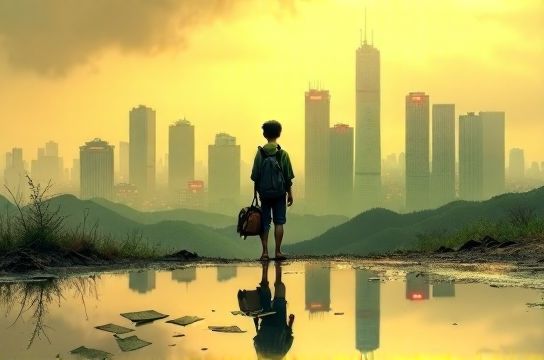
Over 170 million rural-to-urban migrants in China are under the age of 35. Yet, despite powering the factories, delivery apps, and construction sites of megacities, many remain legally and socially invisible—trapped by the hukou (household registration) system that denies them full urban rights.
Imagine working six 12-hour shifts a week, sending money home, yet being unable to enroll your child in a public school just blocks away. That’s the reality for Xiao Li, 26, a factory worker in Dongguan. “I’ve lived here ten years,” he says, “but I’m still treated like a guest.”
This emotional limbo fuels what sociologists call “identity dissonance”—feeling neither fully rural nor truly urban. A 2023 study by Peking University found that 68% of migrant youth report low belonging to their host cities, while only 41% feel connected to their hometowns.
The Hukou Barrier: By the Numbers
| Metric | Data |
|---|---|
| Total Migrant Youth (Ages 15–35) | 172 million |
| With Access to Urban Public Schools | 29% |
| Eligible for Affordable Housing | 18% |
| Report Feeling “Socially Excluded” | 61% |
But resilience blooms in cracks. From underground hip-hop crews in Chengdu to WeChat-based mutual aid groups, migrant youth are redefining belonging. Take “New Citizens Studio,” a Guangzhou nonprofit offering free digital literacy classes. In two years, they’ve trained over 3,000 young migrants—many now creating content that challenges stereotypes.
The future? It’s being coded in late-night livestreams and stitched into delivery riders’ uniforms. As China pushes urbanization, the question isn’t just economic—it’s existential: Who gets to be a city?