
The Hidden Stress Behind China’s Academic Excellence Obsession
- Date:
- Views:470
- Source:The Silk Road Echo
China's education system is world-famous for producing top math and science scorers. But behind those perfect test results? A pressure cooker of stress, sleepless nights, and sky-high expectations. Let’s pull back the curtain on what it *really* takes to be a student in China.
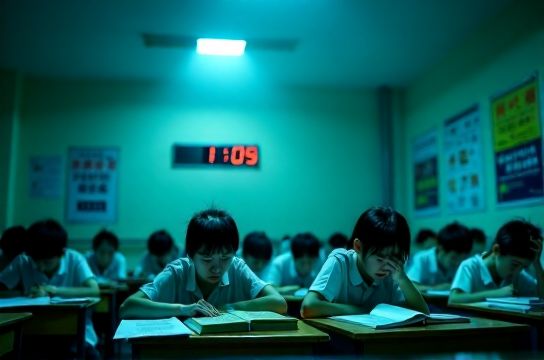
The Numbers Don’t Lie: How Hard Are Chinese Students Working?
Forget 9-to-5. For many Chinese high schoolers, it’s more like 7 AM to 10 PM — every single day. According to a 2023 OECD report, Chinese students average 55 hours per week on academics, far above the global average of 35 hours.
| Country | Avg. Study Hours/Week | PISA Math Score (2022) |
|---|---|---|
| China (Beijing, Shanghai, Jiangsu, Zhejiang) | 55 | 591 |
| United States | 37 | 465 |
| Japan | 44 | 527 |
| Germany | 39 | 504 |
Yeah, they’re crushing it academically. But at what cost?
Gaokao: The Exam That Decides Your Destiny
In China, one test rules all: the Gaokao. This national college entrance exam isn't just important — it's life-defining. Over 12 million students take it each year, competing for limited spots in top universities.
Think of it like the SAT on steroids — but with zero second chances. Your Gaokao score can determine your career path, earning potential, and even social status. No pressure, right?
Mental Health: The Silent Crisis
All this pressure has consequences. A 2022 study published in The Lancet found that over 20% of Chinese adolescents show symptoms of depression — and academic stress is the #1 trigger.
Schools are starting to respond. Some now offer mindfulness classes and counseling services. But in a culture where "face" and family honor matter deeply, admitting emotional struggle is still taboo.
What’s Being Done?
In recent years, China has rolled out reforms under the "Double Reduction" policy (2021), slashing homework loads and banning private tutoring for core subjects. Sounds great on paper. But many parents have simply shifted tutoring underground — paying premium rates for secret cram sessions.
Meanwhile, universities are experimenting with holistic admissions, weighing portfolios and interviews alongside Gaokao scores. But change is slow.
The Bottom Line
China’s obsession with academic excellence delivers results — no doubt. But behind the headlines of top rankings lies a generation pushed to the edge. As one Beijing high schooler told us: "We’re not machines. We want to learn, but we also want to breathe."
Balancing achievement with well-being? That’s the real test China still needs to pass.