
Digital Nationalism: How Online Patriotism Shapes Youth Identity in China
- Date:
- Views:457
- Source:The Silk Road Echo
In today’s hyper-connected world, digital nationalism isn’t just a buzzword—it’s a cultural force reshaping how young people in China see themselves and their country. From viral TikTok videos praising China’s tech breakthroughs to passionate Weibo debates defending national policies, online patriotism has become a defining feature of youth identity in the digital age.
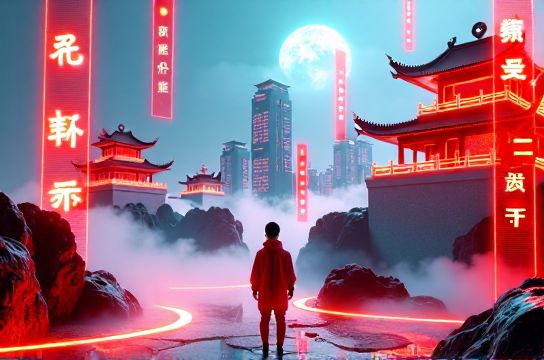
But what exactly is driving this surge in patriotic sentiment among China’s Gen Z? And how is it influencing their worldview, values, and even career choices?
The Rise of Digital Nationalism
A 2023 survey by Pew Research found that over 78% of Chinese youth aged 18–25 express strong national pride, with most citing social media as their primary source of patriotic inspiration. Platforms like Bilibili, Douyin (China’s TikTok), and WeChat Moments are flooded with content celebrating China’s achievements—from space missions to poverty alleviation.
This isn’t just passive pride; it’s active participation. Young netizens create memes, animations, and short documentaries that blend pop culture with patriotism, making national pride both relatable and shareable.
Why It Resonates With Youth
For many young Chinese, digital nationalism offers a sense of belonging in an era of rapid change. As urbanization, globalization, and economic pressures reshape daily life, expressing love for the motherland becomes a way to anchor identity.
Take the rise of “guochao” (国潮), or “national trend”—a movement where youth embrace homegrown brands like Li-Ning, Huawei, and Pechoin. These aren’t just fashion statements; they’re acts of cultural affirmation.
Data Snapshot: Youth Engagement & National Pride
| Metric | Percentage/Value | Source |
|---|---|---|
| Youth (18–25) expressing high national pride | 78% | Pew Research, 2023 |
| Monthly active users on Bilibili | 330 million | Bilibili Annual Report, 2023 |
| Gen Z consumers preferring domestic brands | 65% | McKinsey China Consumer Report, 2024 |
| TikTok videos with #ProudOfChina hashtag views | 12.4 billion | Douyin Analytics, 2024 |
The Flip Side: Echo Chambers & Emotional Politics
While digital nationalism fosters unity, critics warn of echo chambers. Algorithms favor emotionally charged content, often amplifying extreme views. Some young users admit to feeling pressured to conform, fearing backlash for questioning narratives.
Still, many see this wave not as blind loyalty, but as a form of digital citizenship—where defending the nation online feels as real as voting or protesting elsewhere.
Final Thoughts
Digital nationalism in China is more than propaganda—it’s a grassroots, youth-driven phenomenon shaped by pride, identity, and platform dynamics. Whether it leads to greater civic engagement or polarization remains to be seen. But one thing’s clear: for China’s next generation, loving the country starts with a click.