
Urban Dreams: The Struggles of China's Migrant Youth
- Date:
- Views:266
- Source:The Silk Road Echo
In the glittering skyline of Shanghai or the bustling streets of Shenzhen, millions of young migrant workers chase a dream — not just for survival, but for dignity, opportunity, and a shot at urban life. These are China’s migrant youth, the backbone of the nation’s rapid urbanization, yet often invisible in the cities they help build.
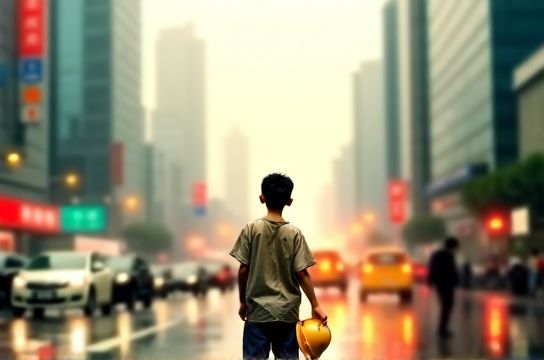
Every year, over 170 million rural-to-urban migrants move across China, with nearly 40% under the age of 30. They power factories, deliver food, clean offices, and construct skyscrapers. But behind their labor lies a story of systemic inequality, social exclusion, and unfulfilled promises.
The Dream vs. The Reality
Many young migrants believe city life means upward mobility. In reality, they face rigid barriers — most notably the hukou (household registration) system. Without a local urban hukou, they’re denied access to public schools, affordable housing, and healthcare.
Consider this: only 35% of migrant children attend public schools in major cities like Beijing. The rest go to underfunded private schools or are left behind in villages.
Living on the Edge: Work, Wages & Wellbeing
Migrant youth often work 60+ hours per week in jobs with no contracts or social insurance. A 2023 survey by the Chinese Academy of Social Sciences found that only 28% had formal labor contracts, leaving them vulnerable to wage theft and unsafe conditions.
| Metric | National Average | Migrant Youth |
|---|---|---|
| Average Monthly Wage (RMB) | 9,800 | 5,200 |
| Access to Urban Healthcare | 89% | 41% |
| Higher Education Attainment | 60% | 18% |
| Homeownership in City | 65% | 6% |
These numbers aren’t just stats — they reflect a generation stuck in limbo. They contribute billions to the economy but remain on the margins of society.
Cultural Identity & Mental Health
Caught between two worlds — the village they left and the city that won’t fully accept them — many struggle with identity. A 2022 study in Guangzhou revealed that 61% of migrant youth reported symptoms of anxiety or depression, largely due to loneliness and discrimination.
Yet, there’s resilience. Grassroots organizations and online communities are emerging, offering legal aid, mental health support, and spaces to share stories. Platforms like Xiaohongshu and Douyin have become digital diaries where migrant voices gain visibility.
The Road Ahead
Change is slow, but pressure is growing. Some cities are piloting hukou reforms, and labor rights awareness is rising. For real progress, policymakers must prioritize inclusive urban planning, expand access to education, and recognize migrant contributions beyond economic output.
China’s future isn’t just in its megacities — it’s in the dreams of those who build them. The question is: will the country finally give its migrant youth a place to belong?