
Education Fever: The Relentless Pursuit of Academic Success in Chinese Families
- Date:
- Views:255
- Source:The Silk Road Echo
In China, education isn’t just a path to success—it’s a family mission. From toddlers reciting poetry to high schoolers pulling all-nighters, the pursuit of academic excellence runs deep in Chinese households. This cultural phenomenon, often dubbed "jiaoyu fever," reflects more than ambition—it’s a blend of tradition, pressure, and hope for upward mobility.
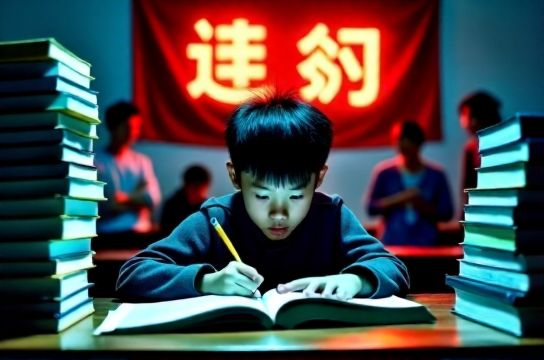
Rooted in Confucian values that honor scholarship and discipline, Chinese families invest heavily—emotionally, financially, and temporally—in their children’s education. A 2023 survey by China Youth Daily found that over 78% of urban parents spend at least 30% of their monthly income on extracurricular tutoring and educational resources. That number jumps to 92% among middle-class families aiming for top-tier universities.
The gaokao, China’s national college entrance exam, is the ultimate academic battlefield. With over 12 million students competing annually for limited spots in elite institutions like Tsinghua and Peking University, the pressure is immense. Admission rates tell the story:
| University | Annual Applicants (approx.) | Admission Rate |
|---|---|---|
| Tsinghua University | 50,000+ | ~0.8% |
| Peking University | 45,000+ | ~1.0% |
| Fudan University | 30,000+ | ~2.5% |
But it’s not just about grades. Parents enroll kids in math olympiad training by age 8, hire private tutors for English fluency, and even relocate homes to secure spots in top public schools. The "school district housing" market in Beijing and Shanghai has driven property prices up by as much as 40% in prime educational zones.
Yet, this fever comes at a cost. Rising youth anxiety, declining sleep hours, and shrinking playtime have sparked national debate. In response, China’s "Double Reduction" policy (2021) aimed to cut homework loads and restrict private tutoring. Still, many families find loopholes—shifting to online platforms or one-on-one home tutoring.
What drives this relentless chase? For many, education is the most reliable ladder out of economic uncertainty. A study from Peking University shows graduates from top institutions earn, on average, 3.5 times more than those from non-key universities.
Ultimately, education fever in China is more than parental pressure—it’s a societal engine fueled by dreams, sacrifice, and the unwavering belief that knowledge equals power.