
The Feminist Awakening in China: Challenges and Backlash in a Conservative Society
- Date:
- Views:237
- Source:The Silk Road Echo
In recent years, China has seen a quiet but powerful revolution—fueled not by protests or politics, but by women demanding equality in a society long shaped by patriarchal norms. This feminist awakening is both inspiring and turbulent, as modern Chinese women navigate career ambitions, digital activism, and deeply rooted cultural expectations.
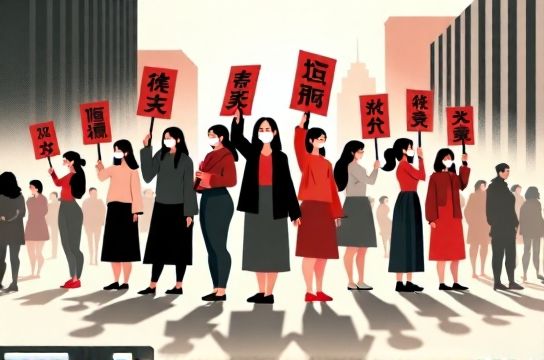
While urban centers like Beijing and Shanghai buzz with discussions on gender pay gaps and workplace discrimination, traditional values still dominate family life. Confucian ideals emphasizing female obedience and domestic roles linger, creating a push-pull dynamic between progress and tradition.
Data shows the contradiction clearly. According to the China Women’s Development Report, women make up nearly 44% of the workforce—but hold only 11% of senior management roles. The gender pay gap? Around 23%, higher than the global average.
| Indicator | Women | Men |
|---|---|---|
| Labor Force Participation (2023) | 61.5% | 76.2% |
| Median Monthly Income (Urban) | ¥8,920 | ¥11,650 |
| CEO Positions in Top 500 Companies | 4.2% | 95.8% |
| Household Chores Responsibility | 72% | 28% |
The rise of #MeToo in China, though censored, sparked underground movements. In 2018, university student Luo Qianqian’s public accusation against a professor went viral before being deleted—yet it inspired hundreds to share stories on encrypted platforms.
Social media has become a battleground. Platforms like Weibo and Douban host feminist groups, but face constant scrutiny. In 2022, several prominent feminist accounts were suspended, signaling state unease with grassroots mobilization.
Still, change is brewing. Young women are delaying marriage—average age rose from 24.3 in 2000 to 28.7 in 2023. More are choosing singlehood, dubbed “independent females” (独立女性), rejecting societal pressure to marry early.
But backlash is real. State media occasionally frames feminism as 'divisive' or 'Western-influenced.' Traditionalists warn of declining birth rates and 'family instability.' Yet, as one netizen wrote: 'We’re not anti-men; we’re pro-equality.'
The path forward isn’t about erasing culture—it’s about redefining it. With education levels rising and digital voices growing louder, China’s feminist wave may be suppressed today, but it won’t be silenced tomorrow.