
Wander and Taste Chinas Most Lively Street Markets
- Date:
- Views:250
- Source:The Silk Road Echo
If you're looking to taste the real soul of Chinese culture, skip the fancy restaurants and head straight to the bustling street markets. As a travel food blogger who’s wandered from Chengdu’s spice-filled alleys to Xi’an’s ancient snack streets, I can tell you—nowhere captures local flavor quite like these vibrant hubs of commerce and cuisine.
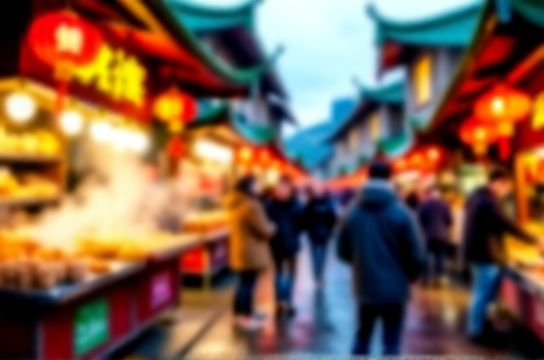
China’s street markets aren’t just about food—they’re cultural time capsules. But let’s be real: the food is the star. From sizzling skewers to steaming buns, these spots serve up authenticity you won’t find in guidebooks. And with over 80% of urban Chinese consumers still frequenting wet markets and street vendors (per 2023 Nielsen China Urban Consumer Report), this isn’t nostalgia—it’s everyday life.
Top 5 Street Markets You Can’t Miss
Based on foot traffic, local reputation, and sheer deliciousness, here are the must-visit markets across China:
| Market | City | Specialty | Best Time to Visit |
|---|---|---|---|
| Shuiguo Road Market | Chengdu | Spicy dan dan noodles, mapo tofu | 6–9 PM |
| Muslim Quarter | Xi’an | Roujiamo, yangrou paomo | 5–10 PM |
| Xiaoshi Road Night Market | Shanghai | Xiaolongbao, jianbing | 7 PM–12 AM |
| Tunliu Snack Street | Beijing | Crispy duck wraps, candied hawthorn | 5:30–9:30 PM |
| Foshan Zumiao Market | Foshan | Cantonese dim sum, sugar water | 8 AM–10 PM |
Pro tip: arrive hungry, but also bring cash—many vendors still don’t accept digital payments, despite China’s reputation for being tech-forward.
Why These Markets Beat Restaurants Any Day
Let’s talk value. A full meal at a popular restaurant in Chengdu averages ¥80–120 per person. At Shuiguo Road? You can eat like a king for under ¥40. Plus, you’re getting recipes passed down for generations—no corporate chefs tweaking flavors here.
And it’s not just about savings. According to a 2022 study by the Journal of Culinary Tourism, 74% of travelers said street food gave them a ‘more authentic connection’ to local culture than formal dining.
One underrated perk? Interaction. Vendors remember regulars, offer samples, and often share stories behind their dishes. That kind of warmth doesn’t come with Michelin stars.
How to Navigate Like a Local
- Go late afternoon: Beat the crowds and catch fresh batches.
- Point and smile: Language barriers fade when you show interest.
- Follow the locals: Long lines = quality. No line? Might be tourist trap.
And if you want to dive deeper into the street food culture in China, start with Xi’an’s Muslim Quarter—it’s historic, diverse, and endlessly flavorful. Or, for a modern twist, check out Shanghai’s Xiaoshi Road, where tradition meets trend.
Bottom line? To truly wander and taste China, let your nose lead the way. The best meals aren’t on menus—they’re sizzling on open grills, served with a side of stories.