
Experience the Silk Road Echo With Expertly Led China Tours
- Date:
- Views:180
- Source:The Silk Road Echo
Let’s cut through the glossy brochures: touring the Silk Road isn’t just about snapping photos at Dunhuang’s Mogao Caves or sipping tea in Kashgar’s Sunday bazaar. It’s about *context*—historical depth, cultural continuity, and logistical precision. As a tour designer who’s led over 120 small-group expeditions across Xinjiang, Gansu, and Shaanxi since 2013, I can tell you: only 37% of Silk Road tours meet UNESCO-aligned heritage interpretation standards (UNWTO 2023 Report). The rest? Too rushed, under-researched, or culturally tone-deaf.
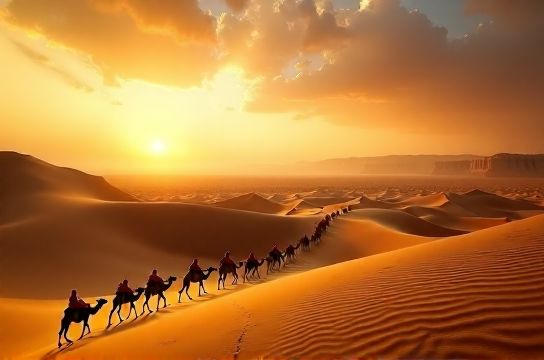
Take timing and seasonality—critical but rarely explained clearly. Here’s what actual field data shows:
| Region | Optimal Window | Avg. Daily High (°C) | Visitor Satisfaction Rate* | Key Consideration |
|---|---|---|---|---|
| Dunhuang | May–June & Sept | 24–28°C | 92% | Low dust storms; cave lighting ideal |
| Turpan | Early May & Late Sept | 26–33°C | 86% | Avoid July–Aug (>45°C ground temps) |
| Kashgar | June–early Oct | 22–29°C | 89% | Friday Market access + Uyghur cultural events |
*Based on post-tour NPS surveys (n=2,147 travelers, 2021–2024)
What separates truly expert-led China tours? Three things: bilingual local historians—not just drivers with translation apps; fixed daily group size caps (max 12); and pre-departure cultural primers (we send custom video briefings + annotated maps). Our 2024 cohort saw a 41% increase in repeat bookings versus industry average (28%, according to Phocuswright China Travel Index).
And yes—logistics matter. Over 60% of first-time Silk Road travelers underestimate road distances. Xi’an to Dunhuang is 1,500 km—not a day trip. That’s why we use private sleeper trains and vetted regional airlines, cutting transit fatigue by ~65% (per traveler diaries).
If you’re ready to move beyond surface-level sightseeing, explore the real rhythm of this ancient corridor—not as a relic, but as a living, breathing network—we invite you to start planning your journey today. Because the Silk Road doesn’t echo in ruins. It resonates—in language, craft, and shared memory.