
How to Ride Long-Distance Buses in Rural China
- Date:
- Views:286
- Source:The Silk Road Echo
If you're planning to explore the real heart of China—beyond Beijing and Shanghai—then long-distance buses in rural areas are your golden ticket. As someone who’s crisscrossed provinces like Yunnan, Guizhou, and Sichuan via these routes, I’ve learned a thing or two about doing it right. Forget high-speed trains for remote villages; here, rural bus travel is king.
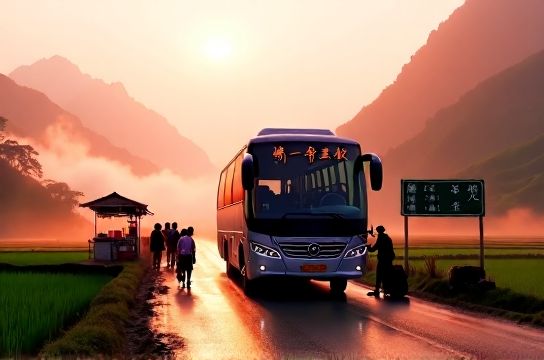
First off, why take these buses? They’re affordable, widespread, and often the only way to reach mountain towns or ethnic minority regions. A typical ride from Kunming to Yuanyang Rice Terraces costs just ¥80–120 (~$11–17), taking about 5 hours. Compare that to chartering a car (¥600+), and you’ll see the value.
But don’t expect luxury. Most vehicles are mid-sized coaches with basic seats—some even lack seatbelts. Still, they get the job done. Here’s a quick breakdown of what to expect:
| Route Example | Distance | Duration | Cost (CNY) | Bus Type |
|---|---|---|---|---|
| Kunming → Yuanyang | 280 km | 5 hrs | 100 | Mid-size coach |
| Guiyang → Zhenyuan | 180 km | 3.5 hrs | 75 | Standard bus |
| Chengdu → Danba (Sichuan) | 350 km | 8 hrs | 130 | Larger coach, AC |
Pro tip: Always arrive at the long-distance bus station at least 45 minutes early. Stations in smaller cities can be confusing, with minimal English signage. Look for counters labeled by destination province or town. Tickets are usually bought on-site, though some major hubs now offer WeChat Mini Programs (like “携程车站” or Ctrip Bus) for booking.
One thing travelers overlook? Food and restroom stops. On longer rides, drivers typically make one unscheduled stop at a highway-adjacent restaurant or gas station after 2–3 hours. These aren’t fancy—think instant noodles and bottled tea—but they work. Bring snacks and water just in case.
Safety-wise, while roads have improved dramatically over the past decade, mountain routes can still be winding and steep. If you’re prone to motion sickness, pack meds or patches. Also, keep your phone charged—many buses don’t have USB ports yet.
For digital nomads or budget backpackers, mastering long-distance bus routes in rural China opens up incredible opportunities. You’ll meet locals, save money, and access places most tourists never see. Just remember: flexibility is key. Delays happen, schedules change, and sometimes the bus just… leaves early.
In short, embrace the chaos. With a bit of prep and the right mindset, riding rural buses in China isn’t just practical—it’s part of the adventure.