
China Transportation Hacks for Budget Travelers
- Date:
- Views:285
- Source:The Silk Road Echo
Traveling around China doesn’t have to burn a hole in your pocket. As someone who’s crisscrossed this massive country over the past decade—from bullet trains in Beijing to sleeper buses in Yunnan—I’ve picked up some solid China transportation hacks that save cash, time, and stress. Whether you're a backpacker on a tight budget or just smart about spending, these tips will help you move like a local without overspending.
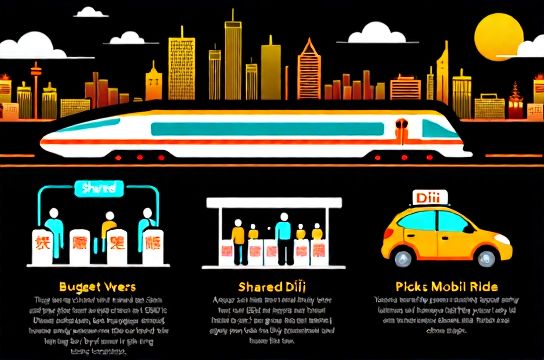
1. Master the High-Speed Rail (But Book Early!)
China’s high-speed rail network is legendary—over 40,000 km of track connecting major cities at speeds up to 350 km/h. A trip from Shanghai to Beijing (1,318 km) takes just 4.5 hours and costs as little as ¥553 (~$76). But here's the hack: book tickets at least 1–2 weeks in advance via the official 12306 app (or use Trip.com for English support), because early birds get the lowest fares.
| Route | Distance | Time | Lowest Fare (Second Class) |
|---|---|---|---|
| Shanghai → Beijing | 1,318 km | 4.5 hrs | ¥553 |
| Guangzhou → Hong Kong | 143 km | 1 hr | ¥215 |
| Chengdu → Chongqing | 300 km | 1.5 hrs | ¥154 |
Pro tip: Avoid travel during national holidays (like Golden Week). Prices don’t technically rise, but availability vanishes and stations turn into chaos zones.
2. Use Metro & QR Codes Like a Pro
Every major city has an efficient, cheap metro. In Shanghai, a ride costs ¥3–7. Download Alipay or WeChat Pay, link a foreign card, and generate a metro QR code. No more fumbling with coins. Bonus: many systems offer transfer discounts.
3. Ditch Taxis, Embrace Ride-Pooling
Regular taxis are okay, but DiDi (China’s Uber) offers “carpool” options (Pinche) that slash prices by 40%. On a ¥60 ride across Guangzhou? You’ll pay under ¥40. Just make sure your phone has data—no Wi-Fi-only moves here.
4. Overnight Trains = Free Accommodation
Save a night’s hotel by taking overnight trains. A hard sleeper from Xi’an to Chengdu costs ¥236 but lets you sleep while traveling. Yes, it’s basic—but with earplugs and a sleep mask, it’s totally doable.
5. Long-Distance Buses? Only If You Must
Buses are cheaper than trains but slower and less comfortable. Only consider them for remote areas not served by rail (e.g., Tibet’s backroads). Always check safety ratings—and never book the front seat next to the driver. Trust me.
Bottom line: The best budget travel in China comes down to planning, using tech, and moving like a local. Skip tourist traps, embrace public transit, and keep your wallet happy. With these China transportation hacks, you’re not just saving money—you’re upgrading your entire travel game.