
Kashgar Gateway to the Silk Road Routes
- Date:
- Views:362
- Source:The Silk Road Echo
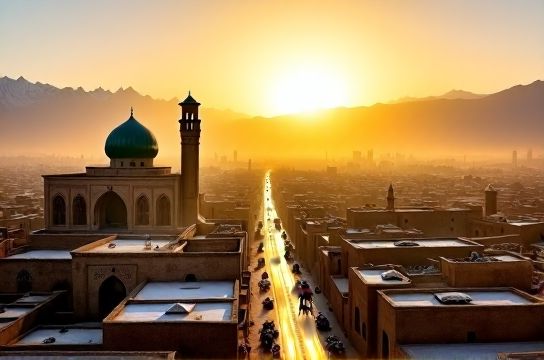
If you're planning a deep dive into China's wild west, Kashgar should be at the top of your list. Nestled near the borders of Kyrgyzstan, Tajikistan, and Pakistan, this ancient oasis city isn’t just a travel destination—it’s a living museum of Silk Road history. As a long-time Central Asia explorer and cultural blogger, I’ve walked through dozens of historic trade hubs, but Kashgar? It’s in a league of its own.
Why Kashgar Still Matters Today
Kashgar has been a crossroads for over 2,000 years. Back in the Han Dynasty, merchants traded silk for horses right here. Fast forward to today—while the camels have mostly been replaced by trucks, the spirit of exchange remains strong. In fact, according to UNESCO, Kashgar’s Id Kah Mosque is the largest in Xinjiang, drawing over 10,000 worshippers every Friday.
But it’s not just about religion or history. The city is a strategic node on China’s Belt and Road Initiative (BRI). Trade volumes through the nearby Karakoram Highway have increased by 34% since 2020 (Xinjiang Customs Data), making Kashgar more relevant than ever.
Top Routes from Kashgar: A Traveler’s Guide
Whether you’re chasing culture, adventure, or both, here are the most iconic routes branching out from Kashgar:
| Route | Distance | Duration | Highlights |
|---|---|---|---|
| Kashgar to Tashkurgan | 290 km | 6–7 hrs | Pamir Plateau, Karakul Lake, Stone City |
| Kashgar to Khunjerab Pass | 480 km | 10–12 hrs | China-Pakistan border, highest paved border crossing |
| Kashgar to Yarkand | 260 km | 5 hrs | Ancient kingdom ruins, traditional Uyghur crafts |
| Grand Bazaar Walking Tour | 2 km loop | 2–3 hrs | Spices, handwoven rugs, live animal market |
Pro tip: Visit the Sunday bazaar early—by noon, the crowds are intense, but the energy is electric. You’ll see horse traders, knife sellers, and grandmothers bartering for melons like it’s 1823.
Cultural Insights & Travel Tips
The Uyghur culture here is vibrant and distinct. Don’t miss local dishes like laghman (hand-pulled noodles) and samsa (baked meat pies). And while Mandarin is spoken, hearing Uyghur being spoken in the markets adds to the authenticity.
Safety-wise, tourism is encouraged and well-monitored. Always carry your passport—checkpoints are common on long-distance routes. Also, altitude sickness can hit on the road to Tashkurgan (elevation: 3,090m), so take it slow.
Final Thoughts
Kashgar isn’t just a stopover—it’s a story. From ancient caravans to modern trade corridors, it’s where East truly meets West. Whether you're drawn by history, geopolitics, or pure wanderlust, this Gateway to the Silk Road Routes delivers.