
Travel Guide to China Metro and Subway Lines
- Date:
- Views:345
- Source:The Silk Road Echo
If you're planning to explore China's bustling cities like Beijing, Shanghai, or Guangzhou, one thing's for sure: hopping on the China metro is your fastest, cheapest, and most reliable bet. As someone who’s ridden nearly every major subway line across the country, I can tell you—mastering the system isn’t just convenient, it’s a game-changer.
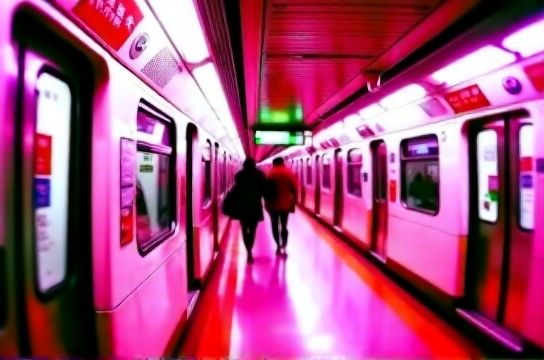
China’s urban rail networks are some of the most advanced in the world. In 2023, the total length of metro lines in mainland China exceeded 10,000 kilometers, with over 50 cities now operating subways or light rail systems. Beijing and Shanghai lead the pack, each boasting more than 800 km of track. That’s longer than most countries’ entire rail networks!
But what really sets the China subway apart? Speed, cleanliness, frequency, and smart integration with mobile tech. Let’s break it down with real data:
Top 5 Metro Systems in China (2023)
| City | Line Length (km) | Stations | Daily Ridership | First/Last Train |
|---|---|---|---|---|
| Shanghai | 831 | 508 | 10.6 million | 5:30–23:30 |
| Beijing | 802 | 459 | 10.2 million | 5:00–23:00 |
| Guangzhou | 621 | 290 | 8.1 million | 6:00–23:30 |
| Chongqing | 523 | 251 | 3.7 million | 6:30–23:00 |
| Shenzhen | 547 | 369 | 7.9 million | 6:00–23:30 |
As you can see, Shanghai takes the crown—not just in size but also in daily usage. Trains arrive every 90 seconds during peak hours. Miss one? No sweat. The system runs like clockwork.
Now, here’s a pro tip: download Alipay or WeChat Pay before arrival. Most stations support QR code scanning at turnstiles. Just link your card, open the app, and go. No need to fumble with cash or buy single tickets. Tourists often waste time standing in ticket lines when they could be boarding.
Another thing travelers overlook? Transfer times. While maps show connected stations, some interchanges (like Beijing’s Xizhimen) require 10+ minute walks between platforms. Always allow extra time during rush hours (7:30–9:00 and 17:30–19:00), especially if you’re carrying luggage.
Safety-wise, China’s subways are extremely secure. Surveillance is everywhere, and police presence is visible. Women traveling alone at night should feel safe, though packed trains during commute times can get uncomfortably crowded.
In short, whether you're visiting the Forbidden City or shopping in Nanjing Road, riding the China metro is the way to go. It’s efficient, affordable (most rides cost ¥3–¥8), and connects almost every tourist hotspot. Once you get the hang of it, you’ll wonder how you ever traveled without it.