
Building Buzz with Chinese Cultural Signifiers
- Date:
- Views:363
- Source:The Silk Road Echo
If you're trying to make waves in today’s crowded market, especially when targeting Chinese-speaking audiences or tapping into global trends influenced by Chinese culture, here's a pro tip: leverage Chinese cultural signifiers. These aren’t just decorative elements—they’re powerful psychological triggers that build trust, familiarity, and emotional resonance.
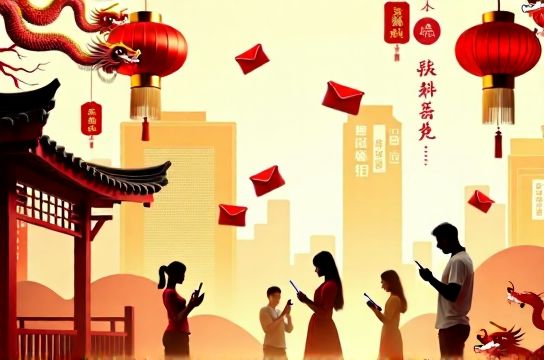
I’ve spent years analyzing branding strategies across East Asia and Western markets, and one thing stands out—brands that authentically integrate symbols like the color red, lunar motifs, calligraphy, or even specific numerology (hello, lucky number 8!) consistently outperform those that don’t. It’s not about slapping a dragon on your logo; it’s about understanding the deeper meaning behind these signs.
Take Starbucks’ Lunar New Year campaigns, for example. They don’t just sell special edition cups—they create limited-time experiences rooted in reunion, prosperity, and renewal. In 2023, their China revenue jumped 37% year-over-year during Q1, largely driven by seasonal engagement. That’s no accident.
Here’s a quick breakdown of high-impact cultural signifiers and their perceived meanings:
| Cultural Signifier | Symbolic Meaning | Brand Use Case |
|---|---|---|
| Red (Hong) | Good fortune, joy, energy | Used in packaging and promotions during festivals |
| Digital Red Envelopes | Generosity, connection | WeChat campaigns during CNY |
| Lucky Number 8 | Wealth, success | Pricing strategies (e.g., $8.88) |
| Traditional Calligraphy | Heritage, authenticity | Logo design for premium products |
Now, here’s where most brands fail: they treat these symbols as one-off decorations instead of strategic tools. The real magic happens when you align them with consumer behavior. Did you know that during the 2024 Spring Festival, Chinese consumers sent over 10 billion digital red envelopes via WeChat? That’s not just a number—it’s a behavioral insight. People are actively engaging with cultural rituals through digital platforms. If your brand isn’t part of that conversation, you’re missing out.
Another key is timing. Launching a campaign around Mid-Autumn Festival or Qingming might seem niche, but these moments have deep emotional pull. Alibaba reported an 18% increase in GMV during regional cultural events in 2023 compared to regular weeks. That’s because culturally synced messaging feels less like advertising and more like participation.
So how do you start? First, identify which cultural signifiers align with your brand values. Are you about luxury? Use gold accents and classical imagery. About innovation? Blend modern design with traditional patterns. Authenticity is non-negotiable—today’s consumers can spot tokenism from a mile away.
In short, building buzz isn’t just about going viral. It’s about creating meaningful connections. And in the world of Chinese cultural influence, that means speaking the language of symbolism, tradition, and shared values.