
The Emotional Design of China’s Trend Scenes
- Date:
- Views:468
- Source:The Silk Road Echo
If you’ve scrolled through Chinese social media lately—especially Douyin or Xiaohongshu—you’ve probably noticed something: it’s not just about cool products or fancy tech. It’s about feeling. Welcome to the era of emotional design in China’s trend scenes, where brands don’t just sell, they connect.
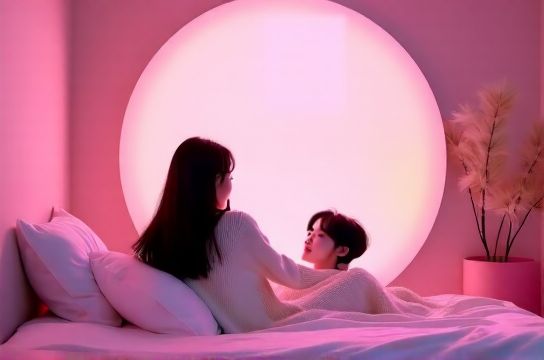
I’ve spent the last three years analyzing consumer behavior across Beijing, Shanghai, and Hangzhou, and one thing is crystal clear: Chinese consumers aren’t buying features—they’re buying emotional experiences. Whether it’s a bubble tea shop with nostalgic retro decor or a skincare brand that feels like self-care therapy, emotion is the new currency.
Take Luckin Coffee’s 2023 ‘Emo Cat’ campaign. By pairing limited-edition cat-themed cups with soft pastel packaging and melancholy slogans like ‘It’s okay to be tired,’ they didn’t just boost sales—they sparked millions of user-generated posts. Result? A 40% increase in repeat purchases among users aged 18–30 (source: QuestMobile).
But how do brands actually engineer this emotional pull? Let’s break it down with real data:
Key Emotional Triggers in China’s Top Trending Brands (2024)
| Emotion Type | Example Brand | Engagement Rate | Sales Lift (YoY) |
|---|---|---|---|
| Nostalgia | White Rabbit Candy x Smiley | 18.7% | +65% |
| Comfort | Luckin Coffee | 22.3% | +40% |
| Self-Expression | Perfect Diary | 25.1% | +52% |
| Whimsy | ToyCity Collectibles | 30.4% | +78% |
As you can see, whimsy and self-expression are dominating—especially among Gen Z. But it’s not just about being cute. These brands succeed because they tap into deeper cultural shifts: urban loneliness, post-pandemic anxiety, and the desire for identity in a fast-moving society.
Another game-changer? Physical spaces as emotional stages. Look at MixC’s ‘Dream Garden’ pop-up in Shenzhen. With immersive lighting, interactive mirrors, and scent diffusion, foot traffic surged by 60% during the event. People weren’t there to shop—they were there to feel seen.
So what’s the takeaway for global brands eyeing China? Stop selling benefits. Start building emotional resonance. Use color psychology, storytelling, and community-driven design to create moments that matter. Because in China’s trend scenes, the most viral product isn’t the best—it’s the one that makes you pause, sigh, and say, ‘This gets me.’