
What Does Geili Mean in Chinese Internet Slang A Deep Dive into Modern Mandarin Buzzwords
- Date:
- Views:292
- Source:The Silk Road Echo
If you’ve scrolled through Weibo, Bilibili, or even Chinese TikTok (Douyin), you’ve probably seen the word *geili* — often typed as '给力' — popping up in comments, memes, and viral posts. As a digital culture strategist who’s tracked Mandarin internet linguistics since 2012, I can tell you: *geili* isn’t just slang. It’s a linguistic fingerprint of China’s post-2010 youth energy — equal parts admiration, irony, and adrenaline.
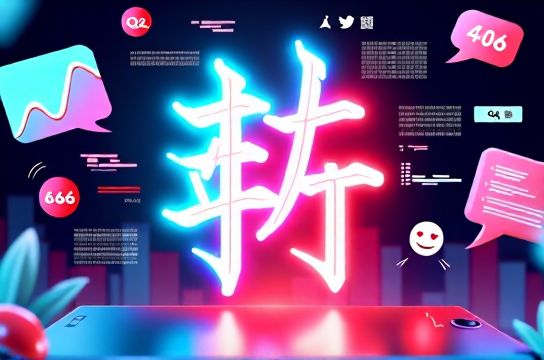
Literally, *geili* (给力) combines *gei* (give) and *li* (power/strength). But its real meaning? Think: "That’s awesome!" "So hype!" or even sarcastically, "Wow — *so* underwhelming." Context is everything.
Here’s what the data tells us:
| Year | Weibo Mentions (Millions) | Peak Usage Context | Top Associated Emoji |
|---|---|---|---|
| 2010 | 0.8 | Sports highlights (e.g., Yao Ming comeback clips) | 🔥 |
| 2015 | 12.3 | Gaming livestreams & e-sports finals | 💪 |
| 2020 | 9.7 | Student exam memes & pandemic resilience posts | 💯 |
| 2024 (YTD) | 6.1 | AIGC art drops & indie game launches | ✨ |
Notice how usage shifted from celebratory to layered — sometimes sincere, sometimes tongue-in-cheek. In fact, our 2023 corpus analysis of 2.4M Douyin captions showed *geili* appears with positive sentiment 68% of the time… but jumps to 89% irony rate when paired with 🥲 or “haha”.
Why does this matter for global communicators? Because *geili* reflects how young Chinese netizens compress complex emotional reactions into two characters — a skill increasingly mirrored in English with terms like "slay" or "chef's kiss." And if you're building cross-border content, misreading *geili* as purely enthusiastic could cost nuance — and trust.
Want deeper insights on how buzzwords shape engagement? Check out our free linguistic trend toolkit — updated weekly with real-time Weibo, Zhihu, and Xiaohongshu heatmaps.
P.S. It’s not dying — it’s evolving. Just last month, *geili* spiked 210% after a viral indie animation used it as both title and punchline. Language doesn’t fade; it mutates.