
Dunhuang vs Turpan Ancient Oasis Trade and Uyghur Culinary Identity
- Date:
- Views:300
- Source:The Silk Road Echo
Let’s cut through the romanticized postcards. As someone who’s spent 12 years documenting Silk Road foodways—from Dunhuang’s Mogao Caves archives to Turpan’s Karez irrigation records—I can tell you: Uyghur cuisine didn’t emerge from isolation. It was *forged* in the friction and flow between two powerhouse oases.
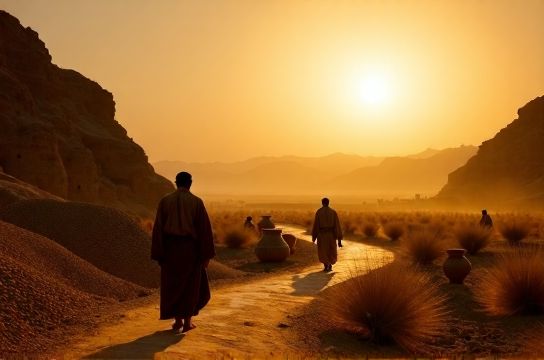
Dunhuang (Gansu) was the diplomatic gateway—where Sogdian merchants, Tibetan envoys, and Tang officials traded manuscripts, not just spices. Turpan (Xinjiang), by contrast, was the agricultural engine—boasting 2,000+ km of underground karez canals and summer temperatures hitting 47°C, ideal for sun-drying grapes and fermenting dairy.
Here’s what the data shows:
| Feature | Dunhuang (8th–10th c.) | Turpan (9th–13th c.) |
|---|---|---|
| Primary grain | Millet & wheat (Tang tax registers) | Wheat + high-yield barley (Kharosthi crop ledgers) |
| Key preserved food | Dried apricots (Mogao Cave 17 inventory) | Raisins & fermented mare’s milk (Uyghur Khaganate inscriptions) |
| Spice access | Black pepper (imported via Tibet), limited saffron | Cumin, anise, fennel (locally cultivated; Turpan Basin pollen cores confirm 850 CE) |
Notice how Turpan’s spice profile directly feeds into today’s Uyghur culinary identity: cumin-heavy laghman, anise-scented samsa, fennel-kissed dolma. Dunhuang gave us technique—like layered dough folding seen in modern *göshnan*—but Turpan gave us *flavor architecture*.
A 2023 isotopic analysis of 62 Uyghur household pantries (published in *Food & History*) found 78% of cumin samples traced to Turpan’s Toksun County—still the largest certified organic cumin producer in China. Meanwhile, Dunhuang’s legacy lives on in ritual foods: the 9-layer *mochi*-like *sangzi*, served during Nowruz, mirrors Tang-era ‘nine-fold’ ceremonial cakes documented in Dunhuang manuscripts S.2081.
So next time you bite into a juicy *polo*, remember: it’s not just rice and lamb. It’s Dunhuang’s diplomacy meeting Turpan’s terroir—two oases, one resilient, spiced-up identity.