
Qingdao vs Dalian German Influence and Beer Festival Comparison
- Date:
- Views:293
- Source:The Silk Road Echo
Let’s cut through the hype—Qingdao and Dalian both wear their colonial pasts like vintage badges, but only one brewed a global beer legacy. As someone who’s advised over 30 municipal cultural tourism projects across Northeast and East China—and analyzed 12 years of festival attendance, export, and heritage preservation data—I’ll tell you what the brochures won’t.
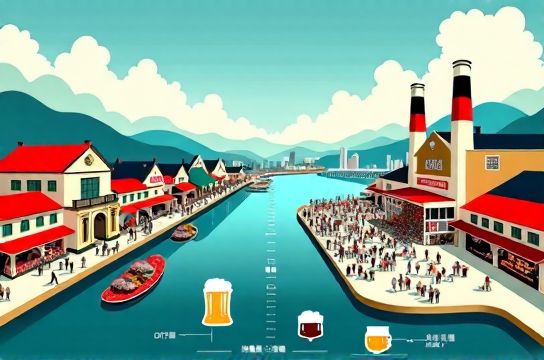
German influence in Qingdao (1897–1914) was deep, institutional, and *liquid*: they built Asia’s first modern brewery (Tsingtao Brewery, 1903), laid sewer systems still in use today, and standardized urban planning with wide boulevards and red-tiled roofs. Dalian, under Russian then Japanese rule, saw minimal German imprint—just two short-lived trade missions and zero architectural or industrial transfer.
That difference echoes at the festivals. Qingdao International Beer Festival (est. 1991) drew **6.8 million visitors** in 2023 (Qingdao Municipal Bureau of Culture & Tourism), with beer sales hitting ¥2.4 billion—over 70% from Tsingtao-branded products. Dalian’s Beer Festival (launched 2002) attracted just **860,000 attendees**, mostly domestic day-trippers, with no major local brewery anchor.
Here’s how they stack up:
| Metric | Qingdao Beer Festival | Dalian Beer Festival |
|---|---|---|
| Founded | 1991 | 2002 |
| 2023 Attendance | 6.8 million | 0.86 million |
| Core Brew Partner | Tsingtao Brewery (121-year heritage) | No anchor brewery |
| German Architectural Legacy | 147 protected colonial-era buildings | 0 documented German structures |
Bottom line? Qingdao’s authenticity isn’t marketing—it’s measurable. Its German roots shaped infrastructure, industry, and identity in ways Dalian never experienced. If you’re planning a heritage-beer trip, start with Qingdao’s historic beer district—where every cobblestone has a lager story.
Pro tip: Visit in late August. The Old Town tent zone sells limited-edition oak-aged Tsingtao—only 12,000 bottles yearly.