
Lanzhou vs Xining Yellow River vs Tibetan Borders
- Date:
- Views:302
- Source:The Silk Road Echo
If you're planning a trip through northwest China and scratching your head over Lanzhou vs Xining, you're not alone. Both cities serve as gateways to some of the most breathtaking landscapes and rich cultural tapestries in the region — but they offer very different vibes, experiences, and travel perks. Let’s break it down with real traveler insights, climate data, transport stats, and local flavor so you can pick the perfect base for your Gansu-Qinghai adventure.
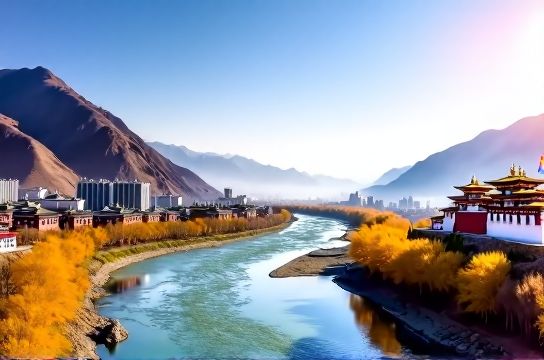
First Impressions: Urban Pulse vs Highland Calm
Lanzhou, capital of Gansu Province, sits along the Yellow River and pulses with urban energy. It’s a transportation hub with high-speed rail links, international flights, and the famous beef noodles that foodies fly in for. Population? Around 3.8 million. It’s gritty, loud, and alive.
Xining, on the other hand, is the quieter cousin. As the capital of Qinghai, it lies at 2,275 meters (7,460 ft) above sea level and serves as the main launchpad for trips to Qinghai Lake and into Tibetan cultural regions. With just over 2.4 million people, it's more relaxed, with a strong Hui and Tibetan influence visible in its mosques and monasteries.
Climate & Altitude: Can You Breathe Easy?
This matters — especially if you’re coming from sea level. Here’s a quick comparison:
| City | Avg. Elevation | Summer Temp (°C) | Winter Temp (°C) | Annual Rainfall |
|---|---|---|---|---|
| Lanzhou | 1,520 m | 22°C | -5°C | 327 mm |
| Xining | 2,275 m | 19°C | -8°C | 380 mm |
Translation? Xining is colder, higher, and thinner on oxygen. First-time visitors often feel mild altitude sickness. Lanzhou is more forgiving physically — but noisier and more polluted due to industry.
Transport: Getting In & Out
Lanzhou wins for connectivity. Its airport has direct flights to Beijing, Shanghai, and even Dubai. High-speed trains zip you to Xi’an in under 3 hours. Xining has fewer international links but is the final stop before the Qinghai-Tibet Railway climbs toward Lhasa — a bucket-list ride.
- Lanzhou Airport: 12M+ annual passengers
- Xining Caojiapu: 7.5M passengers
- Train to Tibet: Departs daily from Xining (24+ hrs)
Culture & Cuisine: Noodles vs Nomads
Lanzhou = food heaven. Try the original beef lamian — hand-pulled noodles in clear broth — at Ma Ba Beef Noodle Shop. Street markets buzz with Muslim snacks like spiced lamb skewers and fried dough twists.
Xining offers deeper cultural immersion. Visit Ta’er Monastery (also known as Kumbum), one of the six great monasteries of the Gelug school of Tibetan Buddhism. The Dongguan Grand Mosque highlights the city’s Hui heritage.
Final Verdict
Choose Lanzhou if you want convenience, food, and low-altitude comfort. Pick Xining if you’re chasing highland scenery, Tibetan culture, and the road to Tibet. Many travelers do both — starting in Lanzhou and taking the train westward.