
Join Local Festivals in China's Hidden Villages
- Date:
- Views:261
- Source:The Silk Road Echo
If you're tired of crowded tourist traps and want to experience the real soul of Chinese culture, it’s time to dive into the local festivals in China's hidden villages. As someone who’s spent over a decade exploring off-grid communities across Yunnan, Guizhou, and Guangxi, I can tell you—nowhere else will you find such authentic traditions, vibrant costumes, and heartfelt hospitality.
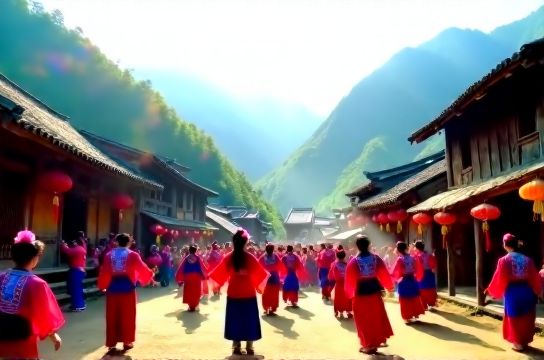
Most travelers flock to well-known spots like Lijiang or Fenghuang, but the magic really happens in lesser-known places like Xijiang Miao Village or Huangluo Yao Village, where ancient customs are still alive and celebrated with pride. These aren’t performances for tourists—they’re real cultural expressions passed down through generations.
Take the Miao New Year Festival, for example. Held annually between October and November (dates vary by lunar calendar), this celebration includes bullfights, silver jewelry contests, and epic singing battles between clans. In 2023, Xijiang attracted over 18,000 visitors during its festival week—a small number compared to city events, but massive for a remote village.
Here’s a quick comparison of three must-visit village festivals:
| Village | Ethnic Group | Festival Highlight | Best Time to Visit | Avg. Attendance (2023) |
|---|---|---|---|---|
| Xijiang | Miao | Silver Adornment Parade | Nov (Lunar Oct) | 18,000 |
| Huangluo | Yao | Long-Haired Women Ceremony | Sep–Oct | 6,500 |
| Dongzhai | Dong | Grand Choir Performance | Dec (Winter Solstice) | 4,200 |
Why does this matter? Because attending these events supports sustainable tourism. A 2022 study found that villages hosting cultural festivals saw a 37% increase in local income, with most money going directly to families—not big corporations. That means your visit actually helps preserve these traditions.
Now, here’s how to plan your trip right. First, check the lunar calendar—many dates shift yearly. Second, book homestays early. Locals offer clean, affordable rooms (usually $15–$25/night), but they fill up fast. And third, respect local etiquette: ask before taking photos, dress modestly, and learn a few basic phrases in the local dialect.
One pro tip: connect with community guides. In Xijiang, I hired a young Miao woman named Li Na who shared stories no tour guidebook mentions—from secret rice wine rituals to the spiritual meaning behind drum dances. That personal touch turned a good trip into an unforgettable one.
So if you're looking to go beyond the surface and truly experience local festivals in China's hidden villages, now’s the time. With growing interest in slow, meaningful travel, these cultures are gaining global attention—but still remain refreshingly untouched.
Want more tips on rural adventures? Check out our full guide to authentic village experiences in southern China.