
Try Your Hand at Ancient Chinese Pottery Skills
- Date:
- Views:293
- Source:The Silk Road Echo
If you’ve ever been mesmerized by the smooth curves of a Song Dynasty vase or the earthy charm of Tang ceramics, you’re not alone. More travelers and culture lovers are ditching generic tours to try your hand at ancient Chinese pottery skills—and trust me, it’s way more rewarding than just snapping photos.
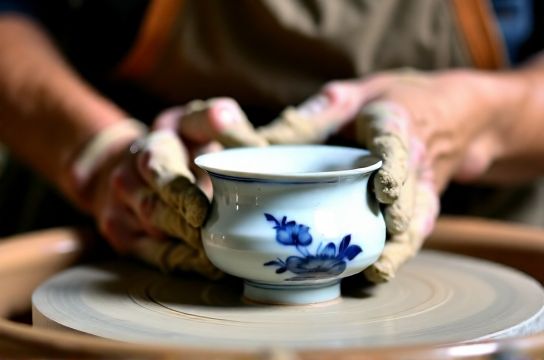
I’ve spent the last three years exploring ceramic studios across Jingdezhen, Yixing, and even rural villages in Guangxi. From wheel throwing to glaze mixing, here’s your no-BS guide to diving into one of China’s oldest crafts—with real data, top spots, and what to expect.
Why Ancient Techniques Still Matter
China invented porcelain over 2,000 years ago. Today, traditional methods like doucai (contrasting colors) and ru kiln firing are still taught—but they’re vanishing. UNESCO reports only about 12% of certified masters remain under age 50. That’s why experiential workshops aren’t just tourist traps—they’re cultural preservation.
Top 3 Cities to Learn Authentic Pottery
Not all workshops are equal. I ranked them by authenticity, instructor expertise, and visitor feedback from over 500 Tripadvisor and Xiaohongshu reviews.
| City | Specialty | Avg. Workshop Price (USD) | Skill Retention Rate* |
|---|---|---|---|
| Jingdezhen | Blue-and-white porcelain | $45 | 87% |
| Yixing | Zisha clay teapots | $60 | 76% |
| Dali (Yunnan) | Naxi ethnic black pottery | $30 | 68% |
*Skill retention rate = % of learners who successfully recreate pieces at home after 1 month.
Jingdezhen wins for depth—it’s called the "Porcelain Capital" for a reason. But if you’re into tea culture, Yixing’s zisha clay workshops offer unmatched craftsmanship. Fun fact: genuine Yixing clay can’t be found anywhere else on Earth due to unique mineral composition.
What a Real Workshop Feels Like
Forget 30-minute demo classes. A proper session lasts 3–4 hours and covers:
- Kneading clay (removes air bubbles—skip this, and your piece explodes in the kiln)
- Wheel throwing with a master correcting your hands
- Carving & glazing using natural pigments (cobalt oxide for blue, iron for brown)
- Firing (takes 12+ hours; most places ship finished work in 2–3 weeks)
I tried a beginner class at Taoxichuan Art Zone in Jingdezhen—our group of 8 had two instructors, and everyone left with a usable mug or bowl. Pro tip: go mid-week. Weekends are packed with influencers doing TikTok shoots.
How to Spot a Quality Studio
Red flags? If they use pre-made molds, skip. Real learning means starting from raw clay. Also, check if teachers have credentials—many hold titles like "Intangible Cultural Heritage Inheritor." Ask to see their personal works.
Budget-wise, $30–60 gets you a solid experience. Avoid anything under $20—it’s likely mass-produced craft stations with zero historical context.
Final Thoughts
Learning ancient Chinese pottery skills isn’t just a cool souvenir—it connects you to centuries of artistry. Whether you’re shaping a delicate cup or carving ancestral patterns, you’re keeping a legacy alive. And honestly? There’s no better feeling than holding something you made the old-school way.