
Feel the Beat of Ancient Drums in Rural Festivals
- Date:
- Views:312
- Source:The Silk Road Echo
If you’ve ever stood in a quiet village square at dawn, only to be jolted by the thunderous beat of ancient drums, then you know—this isn’t just music. It’s history pulsing through your chest. Across rural Asia, Africa, and Eastern Europe, traditional drum festivals are more than cultural displays; they’re living rituals that connect generations.
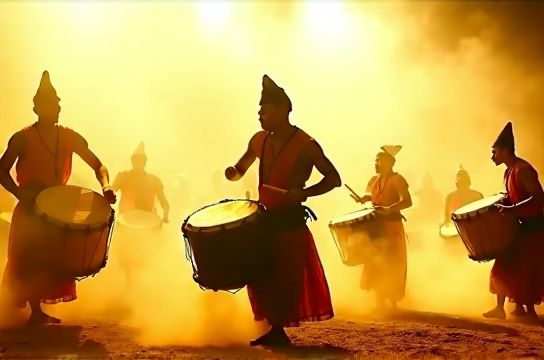
I’ve chased these rhythms for over a decade—from the Djembe circles in Mali to Korea’s Samulnori harvest festivals. What I’ve learned? These aren’t tourist shows. They’re community anchors with deep spiritual roots. Let’s break down why experiencing a rural drum festival should be on every culture seeker’s list—and which ones deliver the real deal.
Why Ancient Drumming Still Matters
In a world of synthesized beats, acoustic tribal drums offer something irreplaceable: raw human energy. Studies show that group drumming can reduce stress by up to 30% (Bittman et al., 2001). But beyond science, there’s symbolism. In Ghana, the Dundun speaks tonal languages. In Mongolia, war drums once signaled cavalry movements. Today, they signal identity.
Top 4 Authentic Rural Drum Festivals
Not all festivals are created equal. Here’s a quick comparison of events where tradition outweighs commercialization:
| Festival | Location | Drum Type | Best Time to Visit | Local Participation Rate |
|---|---|---|---|---|
| Nguon Festival | Cameroon | Skin-covered slit drums | November | 92% |
| Poorisaba | Lithuania | Wooden log drums | June | 88% |
| Tanabata Matsuri | Japan (rural Tohoku) | Taiko (large barrel drums) | August | 76% |
| Bambara Djembe Gathering | Mali | Djembe & Dunun | December | 95% |
Notice the trend? The higher the local participation, the deeper the authenticity. In Mali, nearly every villager plays an instrument. Compare that to urban ‘cultural weeks’ where hired performers dominate—participation often dips below 40%.
Tips for Respectful Attendance
You’re a guest. Act like one. Avoid pointing phones during sacred segments. In Cameroon, filming certain rites without permission is illegal. And don’t assume every beat is for dancing—some call spirits, others mark funerals.
Pro tip: Learn two phrases in the local language. 'I kaaro' (‘thank you’ in Bambara) goes further than any visa.
Want real immersion? Skip the VIP section. Sit with elders. Share food. The ancient drum traditions thrive not in spectacle, but in shared silence between beats.