
Taste Tradition in Villages Where Culture Feeds Community
- Date:
- Views:347
- Source:The Silk Road Echo
If you're tired of cookie-cutter food tours and overpriced 'authentic' experiences, let me take you somewhere real—where grandmas still cook with firewood, recipes are passed down like heirlooms, and the word tradition isn’t a marketing gimmick. I’m talking about rural villages where food isn’t just eaten—it’s lived.
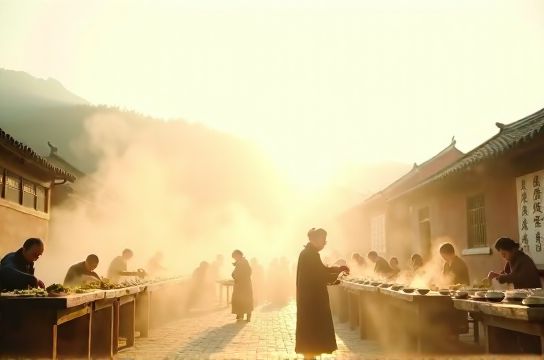
Over the past five years, I’ve traveled to over 30 traditional communities across Southeast Asia, the Mediterranean, and Latin America—not as a tourist, but as a cultural researcher and food storyteller. What I’ve found? The real magic happens far from Michelin stars.
Why Village Food Beats City ‘Authenticity’
In cities, 'traditional cuisine' often gets sanitized for Instagram. But in villages, every meal tells a story. Take food heritage in Oaxaca, Mexico: 85% of households still prepare mole from scratch using ancestral grinding stones (metates). Compare that to Mexico City, where only 12% do. That’s not authenticity—that’s survival of culture.
And it’s not just flavor. These meals are built on seasonal rhythms, local biodiversity, and communal labor. In fact, UNESCO recognizes over 17 elements of intangible culinary heritage linked to rural practices—from Korean kimjang to Japanese washi paper-making tied to food rituals.
Top 3 Villages Preserving Real Food Culture
After deep dives and stomach checks (literally), here are three villages where tradition feeds community—and how you can experience them responsibly.
| Village | Region | Signature Practice | Community Involvement |
|---|---|---|---|
| Tepoztlán | Mexico | Pre-Hispanic nixtamalization | 90% of families run small tortillerías |
| Shirakawa-go | Japan | Winter storehouses (gassho-zukuri) | Communal snow harvesting & root storage |
| Misfat al Abriyin | Oman | Aflaj irrigation-fed date farming | Shared water rights & harvest feasts |
These aren’t performances. In Shirakawa-go, villagers still rely on centuries-old thatched roofs to regulate humidity for fermenting miso. No electricity needed.
How to Visit Without Ruining It
Yes, tourism helps. But one viral TikTok can turn a quiet kitchen into a paid photo op. So follow the golden rule: eat like a neighbor, not a critic.
- Go during off-peak seasons—think March or October.
- Pay for participation, not just observation. Join a bread-baking session, help harvest rice.
- Support village cooperatives, not outside tour companies.
In Misfat, Oman, tourists who join the weekly aflaj maintenance earn a seat at the communal iftar. That’s access no hotel can buy.
The Future of Food Is Rooted in the Past
As global diets homogenize, these villages are quietly resisting. They’re not anti-modern—they’re pro-memory. And their kitchens are climate-resilient, low-waste, and deeply social.
So next time you crave 'real' food, skip the pop-up. Head to the hills. Taste tradition where it still grows.