
Take Home Memories from a Chinese Craft Making Retreat
- Date:
- Views:397
- Source:The Silk Road Echo
If you’ve ever dreamed of stepping off the beaten path and diving into something truly authentic, let me tell you—there’s nothing quite like a Chinese craft making retreat. As someone who’s visited over 20 cultural workshops across Yunnan, Guizhou, and Jiangxi, I can confidently say these experiences offer more than just souvenirs—they give you stories, skills, and soul.
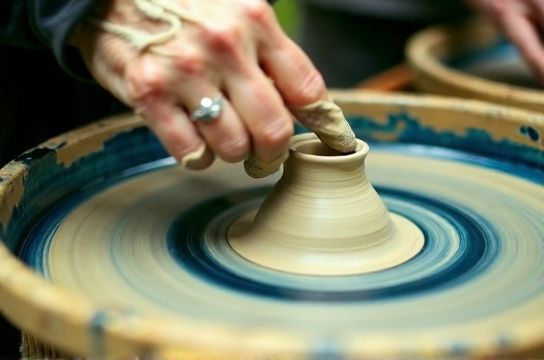
Forget mass-produced trinkets. At a traditional craft retreat, you’re weaving indigo-dyed fabric with Miao artisans or hand-pressing paper like it’s 13th-century China. According to China’s Ministry of Culture, over 1,500 intangible cultural heritage items are officially recognized—and many are kept alive through immersive workshops.
Why Choose a Craft Retreat Over a Regular Tour?
Simple: depth. A standard tour shows you what. A craft retreat teaches you how and why. You’re not just observing—you’re doing. And that makes all the difference.
I recently spent five days at a natural dyeing retreat in Guizhou, where侗族 (Dong) grandmothers taught me how fermented indigo vats work (spoiler: it smells like old kimchi but creates magic). By the end? I walked away with two scarves I dyed myself—and a deeper respect for slow craftsmanship.
Top Craft Experiences Worth Your Time
Not all retreats are created equal. After years of trial and error (and one very lopsided pottery disaster), here’s my curated list of most rewarding crafts:
| Craft Type | Region | Avg. Duration | Price Range (USD) | Skill Level |
|---|---|---|---|---|
| Indigo Batik | Guizhou | 3–5 days | $180–$300 | All levels |
| Paper Making | Jiangxi | 2–3 days | $90–$150 | Beginner |
| Celadon Pottery | Zhejiang | 4–6 days | $250–$400 | Intermediate |
| Silk Weaving | Suzhou | 2–4 days | $200–$350 | Beginner+ |
Pro tip: Look for family-run studios. They tend to offer smaller groups (often under 8 people), more personal attention, and real cultural context. One of my favorite spots near Kaili limits sessions to four guests per week—book at least six weeks ahead!
How to Find the Best Retreat
Start by asking: Is this experience led by a master artisan? Check bios or community recognition. Many top teachers are designated “National Heritage Keepers” by the government—a legit stamp of authenticity.
Also, read between the lines on pricing. If a 4-day Chinese craft making retreat costs under $100, it’s likely cutting corners—maybe using synthetic dyes or pre-made kits. Real value is in the details: organic materials, historical accuracy, and time with the craftsperson.
Lastly, consider sustainability. The best retreats support local economies and eco-friendly practices. For example, handmade paper workshops often use mulberry bark—a renewable resource—and natural dyes from local plants.
In a world of fast travel and Instagram highlights, choosing a craft retreat is a quiet rebellion. You’re not just collecting photos—you’re carrying home a piece of living history.