
Step Into the World of Chinese Puppetry and Folk Tales
- Date:
- Views:297
- Source:The Silk Road Echo
If you’ve ever scrolled through a video of dancing silhouettes behind a glowing screen or marveled at intricately carved wooden figures bringing ancient legends to life, you’ve probably already fallen in love with **Chinese puppetry**—even if you didn’t know it by name. As someone who’s spent years diving into traditional Asian performing arts, I’m here to pull back the curtain (pun intended) on one of China’s most captivating cultural treasures.
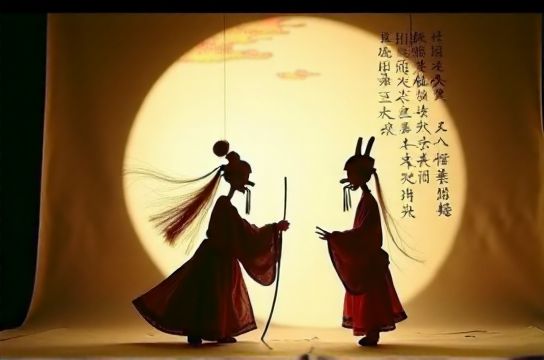
Chinese puppetry isn’t just entertainment—it’s storytelling at its most expressive. With roots stretching back over 2,000 years to the Han Dynasty, this art form has evolved into several regional styles, each with its own flair. From shadow puppets made of donkey hide to lifelike string puppets in Fujian, every performance carries centuries of folklore, philosophy, and craftsmanship.
Let’s break down the major types:
| Style | Region | Material | Notable Feature |
|---|---|---|---|
| Shadow Puppetry (Pi Ying Xi) | Shaanxi, Hebei | Donkey or ox leather | Backlit translucent figures |
| Glove Puppetry | Fujian, Taiwan | Wood, cloth | Fast-paced martial scenes |
| Marionette (String Puppetry) | Quanzhou | Wood, metal joints | Up to 32 strings per figure |
But what really sets Chinese puppetry apart? It’s the deep connection to **folk tales**. These aren’t random stories—they’re moral parables, historical epics, and mythological adventures passed down for generations. Think *Journey to the West* with Monkey King flipping through the air, or *The Butterfly Lovers*—China’s Romeo and Juliet—told through delicate shadow movements.
UNESCO recognized shadow puppetry as Intangible Cultural Heritage in 2011, and for good reason. In Shaanxi alone, there are over 300 known scripts still in use today. Yet, fewer than 50 master artisans remain who can hand-carve and paint authentic figures.
So how can you experience real Chinese puppetry? Skip the tourist traps. Look for performances at cultural centers like Beijing’s **China Puppet Art Theatre**, or check out festivals like the Quanzhou International Puppet Festival. And if you're not in China? Several troupes now offer virtual shows—some even with English subtitles.
Want to go deeper? Explore the symbolism: red means loyalty, black stands for integrity, and jagged facial lines often represent demons or villains. Every color, movement, and costume choice is deliberate.
Whether you're a culture buff or just curious, diving into Chinese puppetry opens a door to a world where art, history, and storytelling collide. Ready to see the strings behind the magic? [Explore authentic Chinese folk tales](/) and uncover the legends that inspired these mesmerizing performances—or [discover live puppet shows near you](/).