
Join Embroidery Workshops with Suzhou Silk Artisans in China
- Date:
- Views:429
- Source:The Silk Road Echo
If you've ever been mesmerized by the delicate swirls of silk thread on fabric, then Suzhou embroidery should be on your cultural radar. Known as Su Xiu, this 2,000-year-old Chinese art form is one of the Four Great Embroideries of China—and hands down, the most refined. But here’s the real tea: instead of just buying a souvenir, why not learn directly from master artisans in Suzhou? That’s exactly what I did last spring, and let me tell you—this isn’t your average craft class.
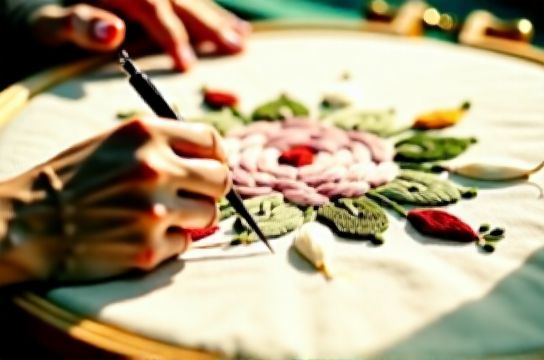
I joined a week-long embroidery workshop in Suzhou hosted by the Jiangsu Provincial Intangible Cultural Heritage Center. With fewer than 15 participants, it was intimate, immersive, and surprisingly technical. We started with basic stitches like the 'flat stitch' and 'scattered needle,' but by day three, we were recreating petals with over 36 gradient shades—all using threads split finer than a human hair.
But don’t think it’s all zen and silk. The learning curve is real. Here’s a snapshot of what to expect:
What You’ll Actually Learn (Spoiler: It’s More Than Just Stitching)
| Day | Skill Focus | Project Milestone | Hours Hands-On |
|---|---|---|---|
| 1 | Thread splitting, frame tensioning | Prepare silk ground fabric | 3 |
| 2–3 | Flat & satin stitches | Complete leaf outline + shading | 6 |
| 4–5 | Gradient blending, fine detail | Flower petal realism | 8 |
| 6–7 | Composition & finishing | Mount final piece | 5 |
Now, you might be wondering: is this worth it compared to online tutorials or cheaper classes elsewhere? Let’s break it down with real numbers.
- Authentic Suzhou Workshop: ~$450/week (includes materials, certification, artisan access)
- Online Course (e.g., Udemy): $20–$50 (no feedback, generic content)
- Tourist Craft Booth (Suzhou Old Town): $30 for 2-hour demo (limited depth)
When you factor in mentorship from actual Suzhou silk artisans, many of whom have trained for decades under national heritage masters, the value skyrockets. One instructor, Ms. Lin, has won three national awards and only takes 12 students per year. That kind of access? Priceless.
Pro tip: Visit between March and May. Humidity levels are ideal for silk work, and the classical gardens of Suzhou provide serious inspiration. Plus, many workshops offer combo packages with visits to private silk farms.
In a world full of fast fashion and AI-generated art, diving into Suzhou embroidery feels like hitting pause on chaos. It’s slow, intentional, and deeply human. Whether you're a textile lover or just chasing meaningful travel, this experience delivers way more than a pretty picture—it connects you to centuries of quiet mastery.