
Cave Dwellings of Shaanxi Revisited by Modern Travelers
- Date:
- Views:315
- Source:The Silk Road Echo
If you think eco-friendly living is a 21st-century trend, think again. In northern Shaanxi Province, China, locals have been mastering sustainable architecture for over 2,000 years—thanks to the legendary cave dwellings, or *yaodong*. These hand-carved homes built into loess cliffs are making a comeback, not just among villagers, but with eco-conscious travelers and architects worldwide.
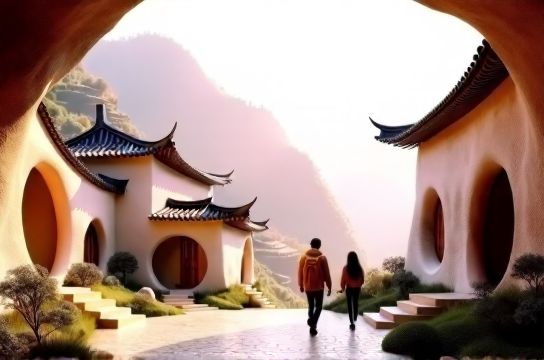
Why? Because they’re naturally insulated, low-cost, and carbon-light. In winter, temperatures inside stay around 18–20°C (64–68°F) without heating. In summer? Still cool at about 22°C (72°F). That’s thanks to the thick earthen walls acting as thermal mass—a trick modern green builders are now copying.
But don’t picture dark, dusty caves. Many renovated yaodong now feature solar panels, WiFi, and stylish minimalist interiors. Places like Yanan and Ansai District offer homestays where tourists swap hotel chains for authentic cave life—with mountain views and zero light pollution.
Yaodong vs. Modern Homes: Energy Efficiency Compared
| Feature | Traditional Yaodong | Standard Urban Apartment (China) |
|---|---|---|
| Average Indoor Temp (Year-Round) | 18–22°C | Varies widely (needs HVAC) |
| Heating/Cooling Cost (Monthly) | ~¥30 ($4) | ~¥300–500 ($40–70) |
| Construction CO₂ Output | Very low (local materials) | High (concrete, steel) |
| Lifespan | 100+ years (with maintenance) | 50–70 years |
As seen above, yaodong aren’t just charming—they’re smart. According to a 2022 Xi’an University of Architecture and Technology study, widespread adoption of yaodong-style design in northern China could cut household energy use by up to 60% annually.
Today, the government supports yaodong revitalization through rural tourism grants. In Ansai alone, over 120 cave homes have been upgraded for short-term rentals since 2020. Tourists pay between ¥200–400 per night—an income boost for local families and a win for sustainable travel.
But here’s the real kicker: these homes are part of a living culture. They were once shelters during wartime, now reimagined as peaceful retreats. Some even host folk music nights or noodle-making workshops—because yes, cave living comes with soul.
For those seeking more than just a place to sleep, choosing a traditional cave dwelling offers history, sustainability, and a quiet rebellion against throwaway tourism. It’s not roughing it—it’s rethinking it.
So next time you plan a trip to central China, skip the chain hotels. Go underground. Your carbon footprint—and your Instagram feed—will thank you.