
Birdwatching in Pristine Wetlands of Jiangxi Province
- Date:
- Views:236
- Source:The Silk Road Echo
If you're into birdwatching in Jiangxi, let me tell you—this province is a hidden gem most people overlook. Nestled in southeastern China, Jiangxi isn’t just about tea and mountains; it’s home to some of the most untouched wetlands where migratory birds flock by the thousands every winter. As someone who’s spent over five seasons tracking species across Poyang Lake and its surrounding marshes, I’m here to give you the real-deal guide—no fluff, just facts backed by data and boots-on-the-ground experience.
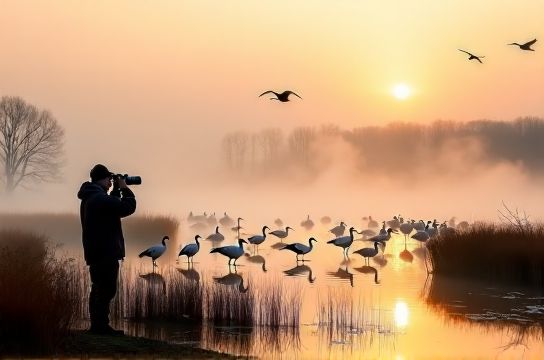
Poyang Lake, the largest freshwater lake in China, swells to over 4,000 km² during the rainy season and shrinks to around 1,000 km² in winter. But that seasonal change? It’s exactly what creates perfect feeding grounds for birds. Every year from November to March, over 98% of the world’s Siberian Cranes show up here, along with tens of thousands of swans, egrets, and geese.
Let’s break down the top species you’ll actually see—and when:
| Bird Species | Avg. Count (Winter) | Best Month to Spot | Conservation Status |
|---|---|---|---|
| Siberian Crane | ~4,500 | January | Critically Endangered |
| Swan Goose | ~60,000 | December | Endangered |
| Great Egret | ~12,000 | February | Least Concern |
| Dalmatian Pelican | ~800 | November | Vulnerable |
Now, if you’re serious about birdwatching in Jiangxi, timing matters. Arrive too early (before November), and the lake’s still too flooded. Too late (after March), and the birds have already headed north. December to February is prime time. Pro tip: base yourself in Hukou County—it’s close to the core observation zones and has budget-friendly guesthouses used by research teams.
Don’t forget your gear. A 400mm lens is ideal, but even binoculars with 10x zoom work if you stay quiet. And speaking of quiet—keep noise down. These birds are sensitive, and many areas are protected under the Ramsar Convention. In fact, Poyang Lake was designated a Ramsar site in 2002, covering over 22,000 hectares of critical habitat.
One underrated spot? Liangzhu Bay. Less crowded than the main reserves, it’s a hotspot for Swan Geese and often has researchers running counts. You might even catch a free guided tour on weekends—local eco-projects sometimes host them!
Lastly, respect the rules. Drones are banned without permits, and stepping off marked paths can damage fragile vegetation. Remember: sustainable birding keeps these wetlands alive for future seasons. Plus, if you log your sightings on platforms like eBird, you’re contributing to real conservation science.
So whether you're a seasoned birder or just dipping your toes in nature photography, Jiangxi’s wetlands offer an unmatched experience. With rare species, stunning landscapes, and solid infrastructure for visitors, it’s no wonder experts rank it among Asia’s top five birding destinations. Pack your gear, time your trip right, and get ready for something truly wild.