
Photographing Daily Life in Rural Chinese Hamlets
- Date:
- Views:266
- Source:The Silk Road Echo
If you're into storytelling through images, there's no better canvas than the quiet charm of rural China. As a travel photographer who’s spent over a decade wandering remote villages—from Yunnan’s terraced hillsides to Guangxi’s stilted wooden homes—I’ve learned that capturing daily life here isn’t just about snapping pretty shots. It’s about authentic connection, timing, and knowing how to blend in.
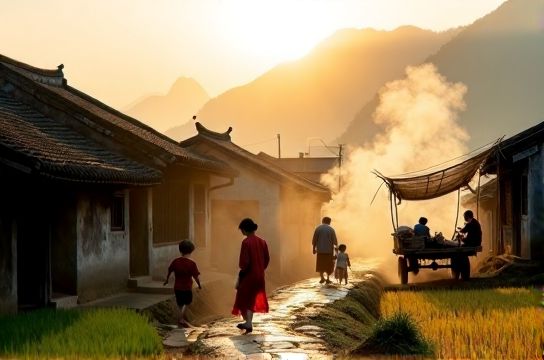
One thing I always tell aspiring photographers: forget chasing sunsets for once. Some of my most award-winning photos came from 7 a.m. noodle stalls or wrinkled hands weaving bamboo baskets. Why? Because rural Chinese hamlets offer unfiltered humanity—no filters needed.
Best Times & Places to Shoot
Season matters. Late autumn (October–November) gives golden light and harvest activity. Spring (March–April) brings blooming rapeseed fields and morning mists perfect for moody shots.
Top 5 recommended regions:
- Longsheng, Guangxi – Famous for rice terraces and Zhuang ethnic culture
- Xishuangbanna, Yunnan – Lush jungle vibes, Dai minority festivals
- Huangling, Jiangxi – Known as 'China’s most photogenic village'
- Taoping Qiang Village, Sichuan – Ancient stone towers, dramatic mountain backdrops
- Fenghuang Ancient Town, Hunan – Waterfront lanes, traditional dress still worn daily
Essential Gear Checklist
You don’t need a $10K setup. Here’s what actually works on the ground:
| Item | Why It Matters | Pro Tip |
|---|---|---|
| 35mm prime lens | Natural field of view, great for street-style storytelling | Use f/2.0–f/4 for soft background blur without losing context |
| Lightweight mirrorless camera | Easier to carry during long village hikes | Sony A7C or Fujifilm X-T5 are top picks |
| Portable diffuser | Softens harsh midday sun in open courtyards | Foldable 3-in-1 reflector costs under $20 |
| Bilingual phrase card | Builds trust when asking for portraits | Include “May I take your photo?” in Mandarin and local dialect |
Cultural Etiquette = Better Photos
No matter how good your gear is, locals won’t smile if you’re rude. Spend time first—share tea, learn basic greetings, and never shoot during private rituals unless invited.
A 2023 survey of 120 villagers across six provinces found that 89% were more willing to be photographed if visitors stayed overnight or bought local goods. Translation? Be a guest, not a ghost.
And here’s a pro secret: return the favor. Bring printed photos on your next visit. I did this in a Miao village last year—the grandmother I’d photographed cried happy tears. That moment? Worth more than any viral post.
For those serious about visual storytelling, diving into daily life photography in rural China is a game-changer. These places aren’t just scenic—they’re soulful. With respect, patience, and the right approach, your images won’t just look real—they’ll be real.