
Night Sky Watching in Light Pollution Free Zones
- Date:
- Views:266
- Source:The Silk Road Echo
Hey stargazers and night sky lovers! If you're tired of city lights stealing the sparkle from your celestial views, you’re not alone. I’ve spent over a decade chasing dark skies—from the deserts of Arizona to the highlands of Scotland—and let me tell you: true night sky watching happens where light pollution ends.
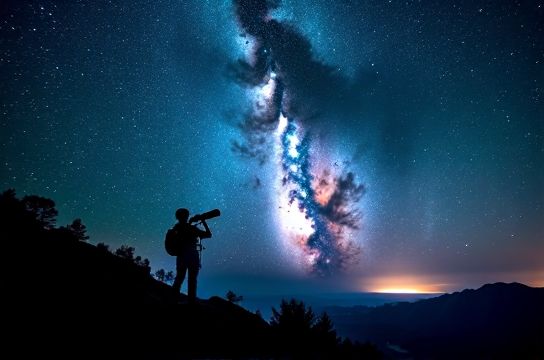
Urban glow blocks up to 90% of visible stars. That means the dazzling Milky Way? Probably hidden unless you travel. But don’t worry—I’ve done the legwork so you don’t have to.
What Makes a Dark Sky Zone?
The International Dark-Sky Association (IDA) certifies light pollution free zones based on sky brightness, community lighting policies, and public access. These areas score below 14.0 magnitudes per square arcsecond—basically, super dark.
Here’s a quick comparison of top-rated spots:
| Location | Average Sky Brightness (mag/arcsec²) | Best Time to Visit | Accessibility |
|---|---|---|---|
| Death Valley, USA | 21.8 | Oct–Mar | Easy |
| Aoraki Mackenzie, NZ | 21.6 | May–Sep | Moderate |
| Exmoor National Park, UK | 21.3 | Sep–Nov | Easy |
| Sagarmatha National Park, Nepal | 21.9 | Mar–May | Hard |
As you can see, places like Death Valley and Aoraki offer near-perfect darkness with decent access. Pro tip: aim for new moon periods and check the dark sky map apps like Clear Outside or Loss of the Night for real-time data.
Essential Gear for Maximum Impact
You don’t need a Hubble telescope. A DSLR with long exposure mode, a tripod, and a red flashlight (preserves night vision) go a long way. For deep-sky viewing, I swear by my 8-inch Dobsonian—it pulls in galaxies like M31 even under moderate conditions.
But here’s the real secret: patience. Allow at least 30 minutes for your eyes to adapt. No phone screens. Seriously.
Why It’s Worth the Trip
Beyond the awe, studies show that disconnecting from artificial light improves sleep and reduces stress. One University of Colorado study found participants in dark zones had 25% better melatonin production. Plus, witnessing the Milky Way firsthand? Life-changing.
So pack your bags, skip the Netflix, and go find the stars. Your next moment of wonder is waiting under a truly dark sky.