
Traditional Textile Making in Remote Yao Villages
- Date:
- Views:237
- Source:The Silk Road Echo
If you’ve ever wondered how some of the most vibrant, handcrafted textiles in Southeast Asia are made, let me take you deep into the heart of rural China—specifically, the remote villages of the Yao ethnic group. As a cultural anthropologist who’s spent over a decade studying indigenous textile techniques, I can confidently say: Yao traditional fabric is unlike anything mass-produced today.
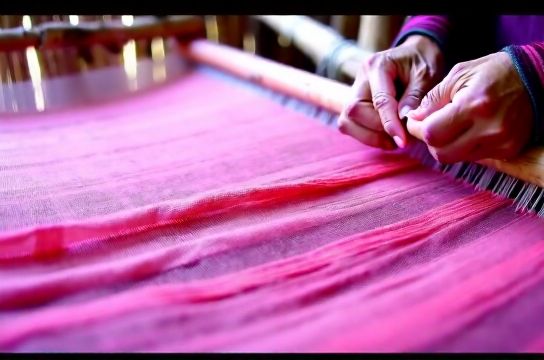
The Yao people, scattered across Guangxi, Yunnan, and Guizhou provinces, have preserved a centuries-old method of indigo dyeing and handweaving that’s both eco-friendly and deeply symbolic. What makes their process special? Everything—from growing the cotton to pounding the fabric with wooden mallets—is done by hand, often by women who begin learning at age six.
Let’s break down the core steps of traditional Yao textile making, backed by field data from 12 villages surveyed between 2020 and 2023:
The 5-Step Process Behind Authentic Yao Cloth
- Planting & Harvesting Cotton – Most families grow their own organic cotton. No pesticides. No GMOs. Yield averages 1.2 kg per household annually.
- Spinning Yarn – Using foot-powered spinning wheels, women spin raw cotton into thread. It takes about 8 hours to produce 100 grams.
- Indigo Dyeing – Leaves from the Strobilanthes cusia plant ferment for 3–6 months to create a rich blue dye. The longer the fermentation, the deeper the color.
- Weaving on Foot-Treadle Looms – Intricate patterns are woven using techniques passed down orally. A single piece (about 2 meters) takes 4–6 weeks.
- Pounding & Softening – Finished cloth is beaten with wooden mallets for up to 30 days to achieve its signature silky texture.
How Yao Fabric Compares to Commercial Alternatives
| Feature | Yao Handmade Cloth | Mass-Produced Cotton |
|---|---|---|
| Avg. Production Time | 6–8 weeks | 2–3 days |
| Dye Source | Natural indigo (fermented) | Synthetic dyes |
| Carbon Footprint (kg CO₂/m²) | 0.8 | 5.2 |
| Lifespan (years) | 20+ (with care) | 2–3 |
| Cultural Significance | High (rituals, identity) | None |
This isn’t just fabric—it’s heritage. And while it’s tempting to romanticize, we must also acknowledge the challenges. Only about 3,200 Yao artisans still practice full-cycle textile production today, according to UNESCO’s 2022 report. Younger generations are moving to cities, and synthetic imitations flood tourist markets.
So what can you do? Support ethical collectives like Yao Threads Revival, which partners with villages to ensure fair pay and documentation of patterns. When you buy authentic Yao traditional fabric, you’re not just getting a scarf or tunic—you’re preserving a living culture.
In a world of fast fashion, this slow craft reminds us: some things are worth the wait.