
Walk the Forgotten Pilgrimage Paths of Mount Emei
- Date:
- Views:263
- Source:The Silk Road Echo
Ever dreamed of hiking a trail where mist curls around ancient temples and silence speaks louder than words? Welcome to the forgotten pilgrimage paths of Mount Emei—one of China’s Four Sacred Buddhist Mountains, yet still quietly under the radar for most travelers.
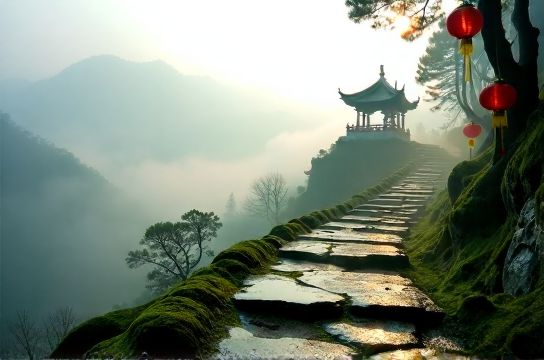
Nestled in Sichuan Province, Mount Emei (or Emeishan) rises to 3,099 meters and has drawn pilgrims for over 2,000 years. But beyond the bustling Golden Summit and tourist-packed boardwalks, there are hidden footpaths once trodden by monks and seekers—routes that offer solitude, spirituality, and some of the most breathtaking scenery in western China.
Why These Forgotten Trails?
The main routes get crowded. The cable cars move like conveyor belts. But step off the beaten path, and you’ll find stone steps worn smooth by centuries of prayerful feet, moss-covered stupas, and tea huts run by nuns who’ve lived on the mountain their whole lives.
One such route is the Old West Line, closed officially in the 1980s but still walkable with local guidance. It starts near Baoguo Temple and winds up through dense rhododendron forests, passing abandoned hermitages where monks once meditated in isolation.
Trail Stats at a Glance
| Trail Name | Distance | Elevation Gain | Estimated Time | Difficulty |
|---|---|---|---|---|
| Old West Line | 18 km | 1,450 m | 7–9 hrs | Hard |
| Monkey Valley Backroute | 12 km | 900 m | 5–6 hrs | Medium |
| Leidongshan Ridge Path | 22 km | 1,700 m | 10+ hrs | Expert |
These numbers don’t lie—this isn’t a casual day hike. But what you gain is raw authenticity. On the Old West Line, I counted only seven people all morning—and three were temple caretakers.
A Spiritual Journey, Not Just a Hike
Buddhism has shaped Mount Emei since the 1st century CE. There are over 70 temples scattered across its slopes, though many along the old trails now sit in quiet decay—vines hugging cracked statues of Guanyin, wooden beams sagging under time’s weight.
Locals say the energy here is different. And honestly? I felt it. At dawn, walking through fog so thick it muffled my footsteps, I rounded a bend and found a single monk ringing a bronze bell at Wannian Temple’s back gate—a moment frozen in time.
When to Go & Pro Tips
- Best Season: April–May or September–October. Avoid summer crowds and monsoon mists.
- Footwear: Grip matters! Trails get slick with moss and rain.
- Local Guide: Recommended for off-trail routes. Many villagers know the terrain intimately.
- Respect: These are sacred spaces. No loud music, no drone buzzing over temples.
And pack light snacks—but leave offerings (like fruit or incense) if you pass an active shrine. It’s a small gesture, deeply appreciated.
Final Thoughts
The forgotten paths of Mount Emei aren’t just hikes—they’re slow journeys into history, nature, and inner peace. In a world obsessed with ticking boxes, this mountain invites you to pause, breathe, and walk like a pilgrim again.
If you crave adventure with soul, lace up your boots and go. Just remember: the quieter the path, the deeper the echo.