
Wilderness Trekking Near the Myanmar Border China
- Date:
- Views:202
- Source:The Silk Road Echo
Thinking about swapping your city grind for some serious jungle vibes? Let me take you deep into one of China’s most underrated outdoor escapes — wilderness trekking near the Myanmar border. Tucked in the lush, misty corners of Yunnan Province, this region is a dream come true for adventure junkies and nature lovers alike.
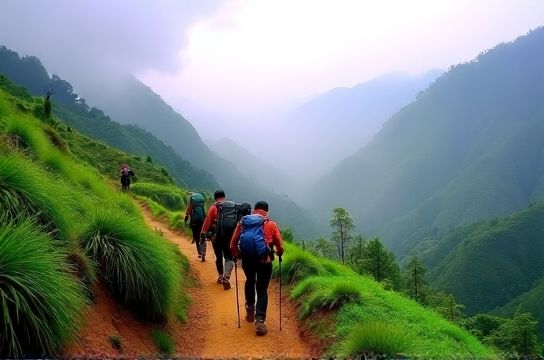
We’re talking emerald rainforests, terraced hillsides carved by centuries of tradition, and ethnic villages where time feels like it paused on purpose. Forget the crowds at Zhangjiajie — here, the trails are raw, real, and refreshingly untouched.
Why Trek Here?
The China-Myanmar border zone, especially around Dehong and Xishuangbanna, offers a rare combo: biodiversity + cultural richness. You're walking through subtropical forests that house over 5,000 plant species, according to Yunnan University’s ecological surveys. Plus, you’ll cross paths with Dai, Jingpo, and Achang communities whose traditions go way beyond photo ops.
And yes — it's wild. Cell service? Spotty. GPS? Bring a paper map too. But that’s the point. This isn’t glamping; it’s grounding.
Top Trekking Routes (With Real Stats)
Check out these three fan-favorite trails, each offering something different:
| Trail Name | Distance (km) | Elevation Gain | Duration | Difficulty |
|---|---|---|---|---|
| Namkan Jungle Path | 28 | 680m | 2–3 days | Medium |
| Laoshan Ridge Trail | 45 | 1,200m | 4–5 days | Hard |
| Dai Village Loop | 16 | 220m | 1–2 days | Easy |
The Namkan Jungle Path is perfect if you want a taste without going full survivalist. Spot hornbills, sip wild pu’er tea with locals, and camp beside a river that glows at night from bioluminescent fungi. Meanwhile, hardcore hikers swear by Laoshan Ridge — remote, steep, and absolutely epic at sunrise.
What to Pack (Spoiler: It’s Not Just Hiking Boots)
- Water purifier – Streams look clean, but parasites don’t take vacations.
- Lightweight rain gear – Sudden downpours? Yeah, they’re frequent. Monsoon season runs May to October.
- Cash (in small bills) – No Venmo in the jungle. Local homestays and guides prefer cash.
- A phrasebook snippet – Even basic greetings in Dai or Jingpo earn big smiles.
Permits & Practical Tips
You’ll need a border area permit — not the same as your Chinese visa. Apply in Mangshi or Ruili, allow 3–5 days. Solo trekking isn’t allowed near the actual border, so hiring a local guide isn’t just smart — it’s required. Bonus? They know secret waterfalls and which mushrooms won’t kill you.
Best time to go? November to April. Dry skies, cool temps, and wildlife is active. Avoid summer unless you love leeches.
Final Thoughts
Trekking near the Myanmar border isn’t just a hike — it’s a reset button for your soul. With jaw-dropping scenery, rich cultures, and trails that challenge both body and mind, this slice of southern China deserves a spot on your bucket list. Just remember: leave no trace, respect local customs, and let the jungle do the talking.