
Rice Terraces and Rituals: Immersion in Guangxi’s Yao Communities
- Date:
- Views:268
- Source:The Silk Road Echo
Ever dreamed of stepping into a living postcard? Welcome to Guangxi, where emerald rice terraces spiral up misty mountains and the Yao people keep ancient traditions alive with vibrant rituals. This isn’t just travel—it’s cultural immersion at its finest.
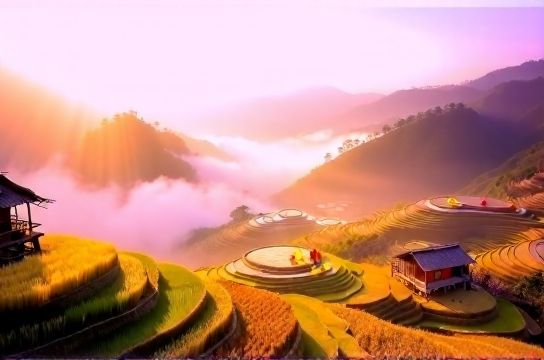
Nestled in China’s rugged south, the Longji Rice Terraces—also known as the Dragon’s Backbone—are over 650 years old. Carved by hand, these gravity-fed wonders stretch across 66 square kilometers. During spring planting and autumn harvest, the landscape transforms into a golden-green symphony that photographers and soul-searchers alike flock to capture.
But beyond the views, it’s the Yao communities who give this region its heartbeat. The Red Yao, named for their striking red headwraps (worn by women with hair often longer than 1.8 meters!), are one of Guangxi’s most iconic ethnic subgroups. Their festivals, like the Panwang Festival honoring their ancestor god, feature drum dances, chanting shamans, and feasts of pickled fish and sticky rice.
Here’s a snapshot of what makes a visit unforgettable:
| Festival | Time of Year | Key Activities |
|---|---|---|
| Panwang Festival | 10th Lunar Month (~Nov) | Ancestral worship, drum circles, traditional dress parades |
| Sisters’ Meal Festival | March | Colorful rice balls, courtship songs, bamboo flute music |
| Spring Sowing Ceremony | April–May | Ritual blessings, ox parades, communal planting |
Staying in a centuries-old wooden stilt house enhances the experience. Homestays in Ping’an or Dazhai villages offer cozy beds, steaming pots of osmanthus tea, and firsthand lessons in indigo dyeing or bamboo weaving. And yes—many locals speak enough basic English to welcome you warmly, though a few phrases in Yao or Mandarin go a long way!
Travel tip: Visit between September and November for clear skies and harvest colors. While summer brings lush greenery, it also brings crowds and humidity. Off-season travelers enjoy fewer people and ethereal fog rolling through the valleys.
With sustainable tourism on the rise, many Yao villages now limit daily visitor numbers. Entrance fees help fund school programs and terrace maintenance—so your ticket supports preservation.
In a world of fast travel, Guangxi’s Yao communities invite you to slow down, listen, and connect. It’s not just about seeing culture. It’s about living it—one terraced step, one ritual drumbeat at a time.