
The Hidden Stress Behind China's Exam-Obsessed Education System
- Date:
- Views:298
- Source:The Silk Road Echo
In the shadow of China’s academic excellence lies a silent crisis: extreme student stress fueled by an exam-obsessed education system. While Chinese students consistently top global rankings in math and science, the human cost behind these achievements is often overlooked. From endless hours of rote memorization to sky-high parental expectations, the pressure cooker environment has sparked growing concern among educators and psychologists alike.
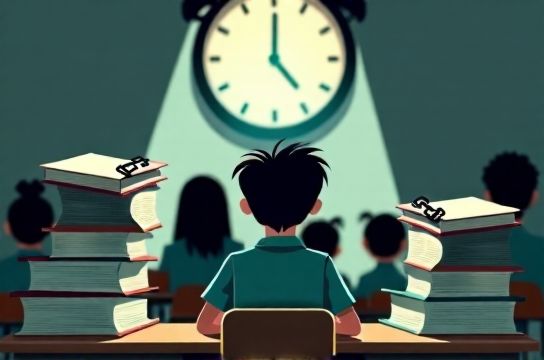
Take Shanghai, for example—students here average 14 hours per week on homework, nearly double the OECD average of 7 hours (PISA 2022). This relentless grind doesn’t just drain energy; it takes a toll on mental health. A 2023 study published in The Lancet found that over 40% of Chinese middle schoolers reported symptoms of anxiety or depression, with academic pressure cited as the leading cause.
At the heart of this pressure is the gaokao, China’s national college entrance exam. Often described as a ‘one-shot’ opportunity, performance on this two-day test can determine a student’s future career, social status, and even family honor. In 2023, over 12.9 million students sat for the gaokao—a record number—competing for limited spots at elite universities like Tsinghua and Peking University, which accept less than 1% of applicants.
| Statistic | Data |
|---|---|
| Average Weekly Homework (Students) | 14 hours |
| OECD Average Homework | 7 hours |
| Youth Reporting Anxiety/Depression | 40%+ |
| 2023 Gaokao Test-Takers | 12.9 million |
| Top University Acceptance Rate | <1% |
But why does one test carry so much weight? Historically, the gaokao was seen as a meritocratic gateway—a way for rural students to rise through talent alone. And while it still offers mobility, critics argue it rewards memorization over creativity, turning classrooms into exam prep factories. As one Beijing high school teacher put it: “We’re not teaching students to think—we’re training them to survive the test.”
The ripple effects are visible across society. After-school tutoring, once casual, has become an industry worth over $100 billion. Though China cracked down on private tutoring in 2021 with the ‘Double Reduction’ policy, many families have simply shifted to underground tutors or online platforms.
So what’s the way forward? Some schools in Zhejiang province are experimenting with holistic evaluations—factoring in extracurriculars and emotional well-being. Meanwhile, universities like Fudan are piloting alternative admissions models. Change is slow, but awareness is growing.
The truth is, China doesn’t need to lower its academic standards—it needs to redefine success. Because behind every perfect score is a child who deserves more than just a grade.